Care & storage
Washing dark denim without chasing a fixed schedule
Let condition and the care label decide, rather than a target number of wears.

Count what happened, not just the days
Jeans worn for a short dinner and jeans worn through a crowded commute do not collect the same soil. A fixed washing challenge ignores activity, weather, spills and personal comfort. Examine the waistband, seat, cuffs and any stained area. If the jeans need washing, preserving an uninterrupted wear count is not a useful reason to delay.
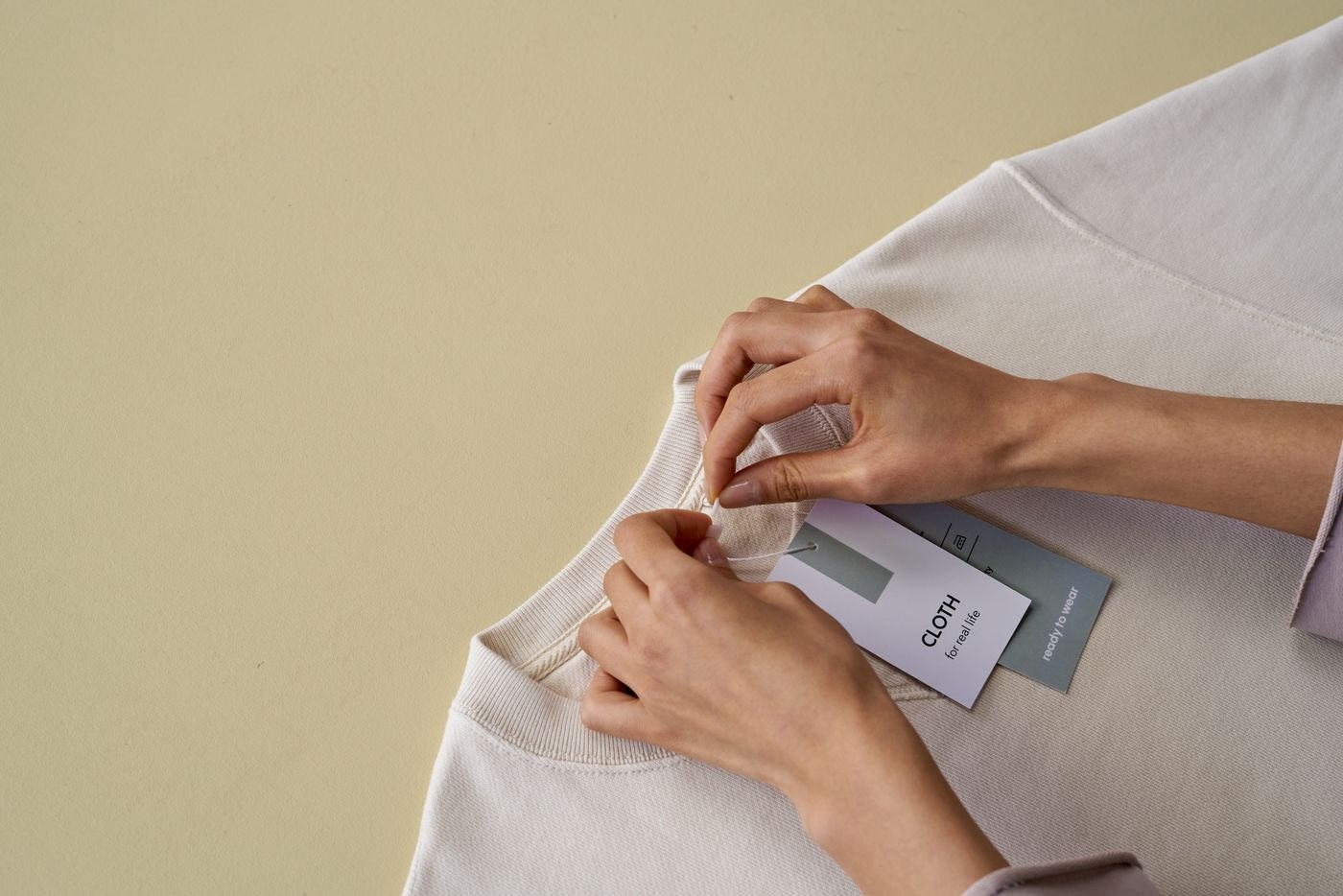
The care label belongs to the actual pair. Stretch denim, coated finishes and special trims may need different handling from an ordinary cotton jean. Rigid denim means an absence of stretch construction in common retail use; it does not automatically mean raw, unsanforised or deliberately shrink-to-fit. Read the product information before assuming how the first wash will affect the size.
Prepare a compatible load
Levi’s advises inside-out washing and closed zips for its denim, with mild detergent and gentle treatment. Use that as manufacturer guidance, not a replacement for another pair’s instructions. Check pockets carefully; a forgotten tissue can leave pale debris across a dark surface. Remove anything that might damage either the fabric or the machine.
Keep new or deeply coloured denim away from pale items when dye transfer is a concern. Choose a programme and detergent compatible with the care label and the other garments. More detergent does not automatically produce a cleaner result, so follow the product’s dosing instructions rather than adding an extra measure because the cloth is heavy.
Treat a small mark only if the method suits the fabric and finish. Hard local rubbing can create a visibly lighter patch. If the substance is unknown or the finish unusual, ask the maker or a cleaner instead of escalating from one household recipe to another. Freezing jeans is not a substitute for removing dirt through appropriate cleaning.
Think about drying before the wash ends
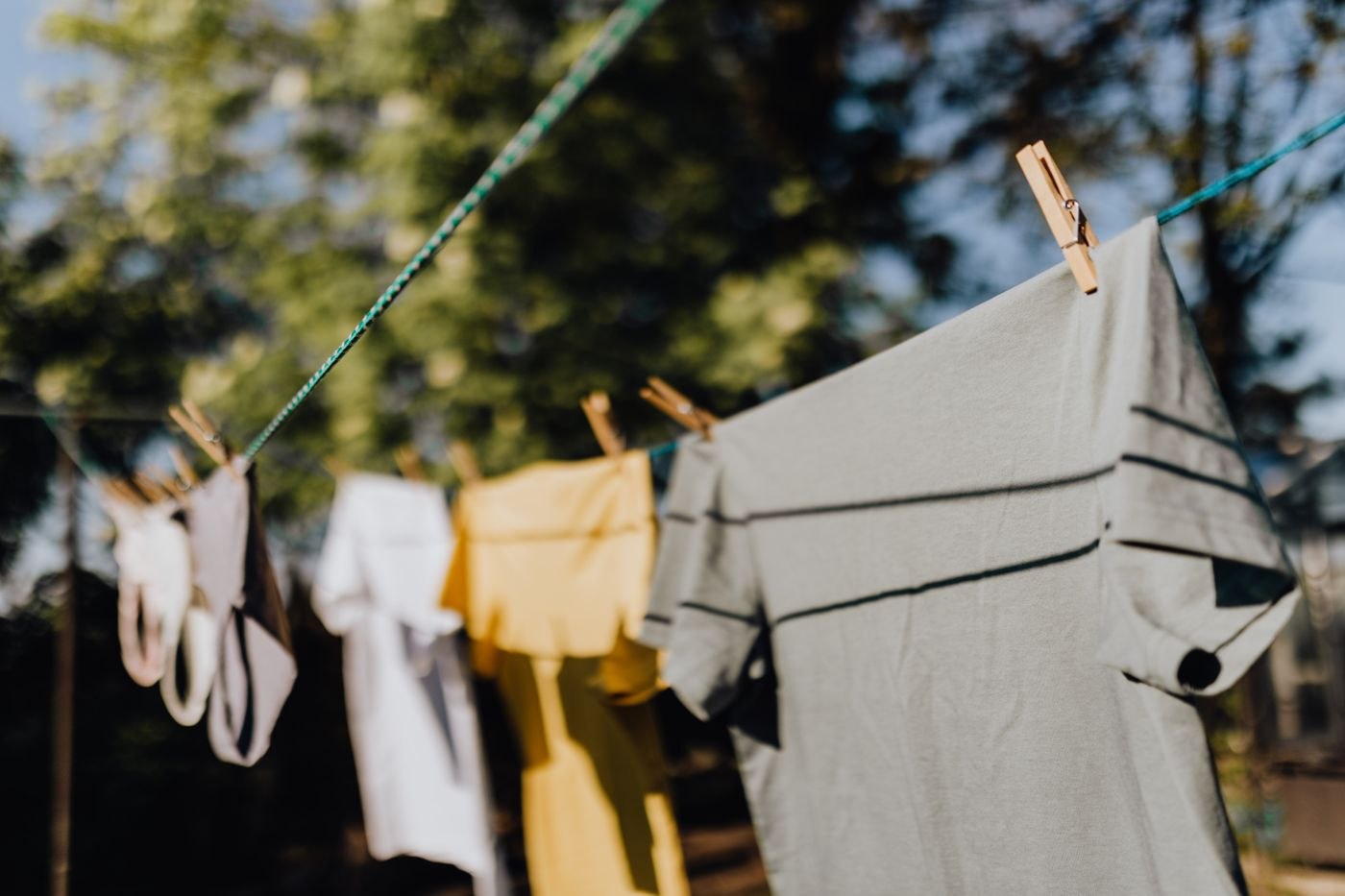
Follow the drying instruction and allow space for the pair. The maker may favour air drying to limit unwanted change, but do not turn that into a universal claim that every dryer cycle destroys all denim. Different finishes and intended effects exist. What matters is the instruction for the pair you own.
Arrange the legs without twisting and consider shade when preserving dark colour is a priority and the instructions call for it. Check the waistband, pockets and heavier seams before storage; they may stay damp after the legs feel dry. Avoid packing the pair into a drawer merely because it is no longer dripping.
Judge the result realistically
Dark denim changes with use and cleaning. A gradual change in colour is not necessarily a care failure, while a sudden streak or distorted seam deserves investigation. Record what programme and treatment were used if you need to ask the retailer about an unexpected result.
Once dry, try the jeans rather than judging fit from a folded pair. If a particular wash repeatedly causes a problem, revisit the instructions and seek advice; do not compensate by never washing them again. A workable routine leaves the jeans comfortable to wear and clean enough for your activities, without turning care into a competition about how long washing can be avoided.