
Wardrobe
Building a small wardrobe around navy and stone
Use two colour families as a starting structure, then let your actual week determine the pieces.
Menswear, everyday outfits and clothing care.
All subjects
The individual pieces: how they fit into the clothes you already own.
23 / 23
Wardrobe
Use two colour families as a starting structure, then let your actual week determine the pieces.

Wardrobe
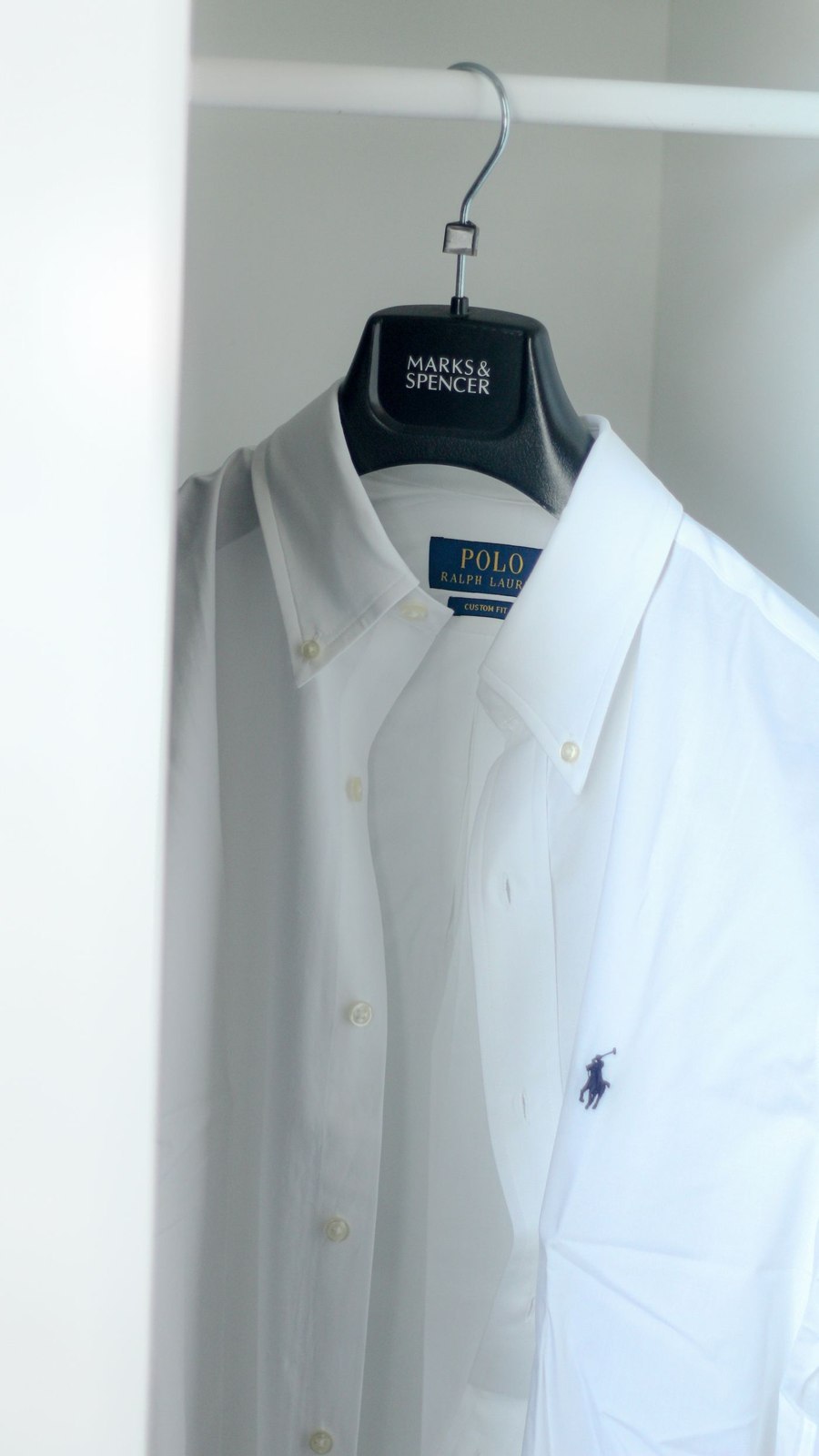
A white shirt can be light without being transparent, or substantial without feeling rigid.
Wardrobe
Texture, collar shape and an easy hem make room for a shirt beyond the working week.

Wardrobe
Make the layers cooperate at the neck, cuffs and waist instead of treating them as separate purchases.

Wardrobe
A quieter denim surface puts the focus on the leg shape, rise and shoes.
Wardrobe
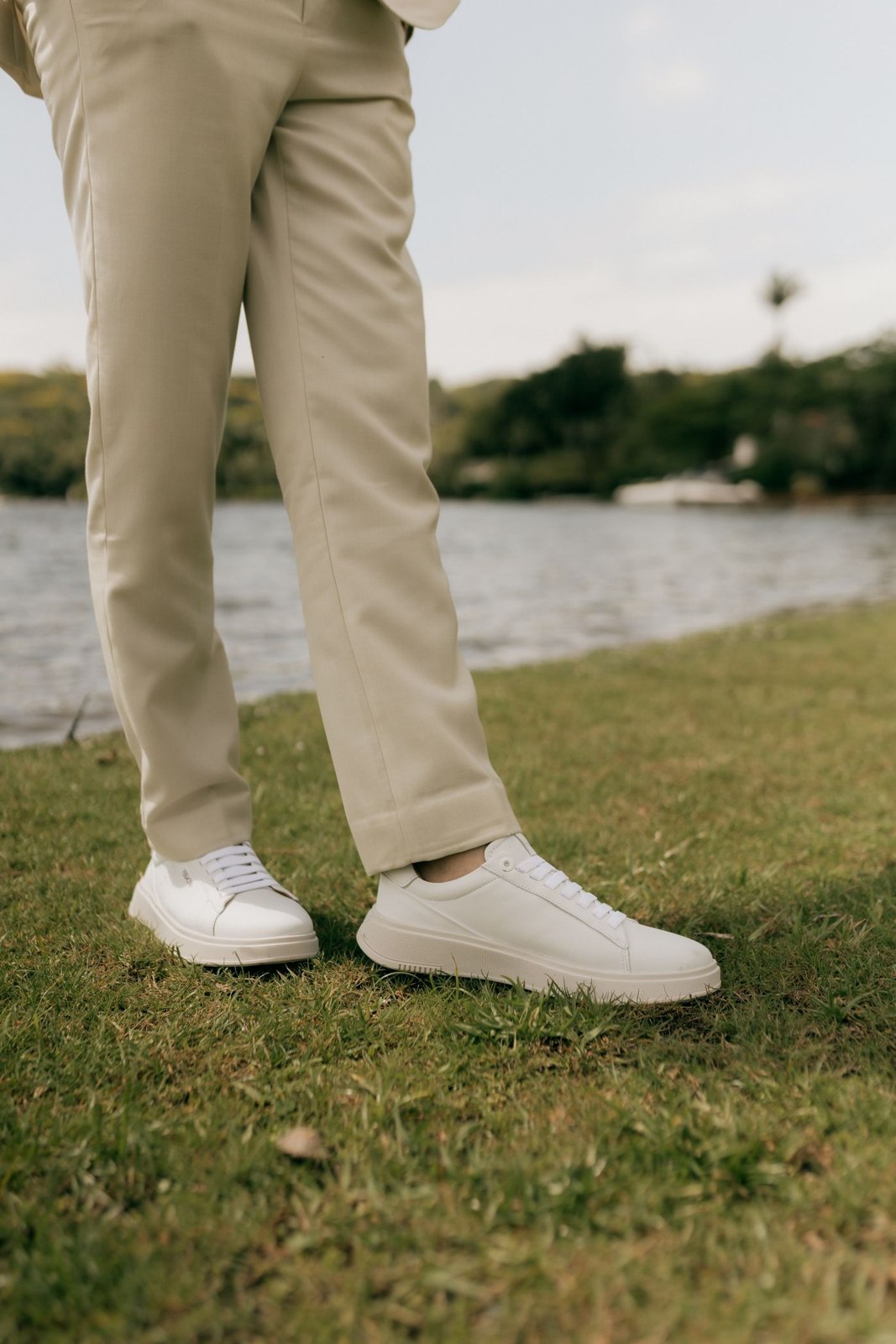
Treat cotton trousers as a shape and a fabric choice, not as a dress-code shortcut.

Wardrobe
A familiar casual layer can sit alongside wool trousers, an overcoat or a plain leather shoe.

Wardrobe
A softer jacket needs enough shape to sit well and enough ease to belong with the rest of the outfit.

Wardrobe
Use the pockets and adjustable shape, but test the jacket with a real daily load.

Wardrobe
Try the intended layers before deciding whether a close or relaxed cut belongs in your wardrobe.

Wardrobe
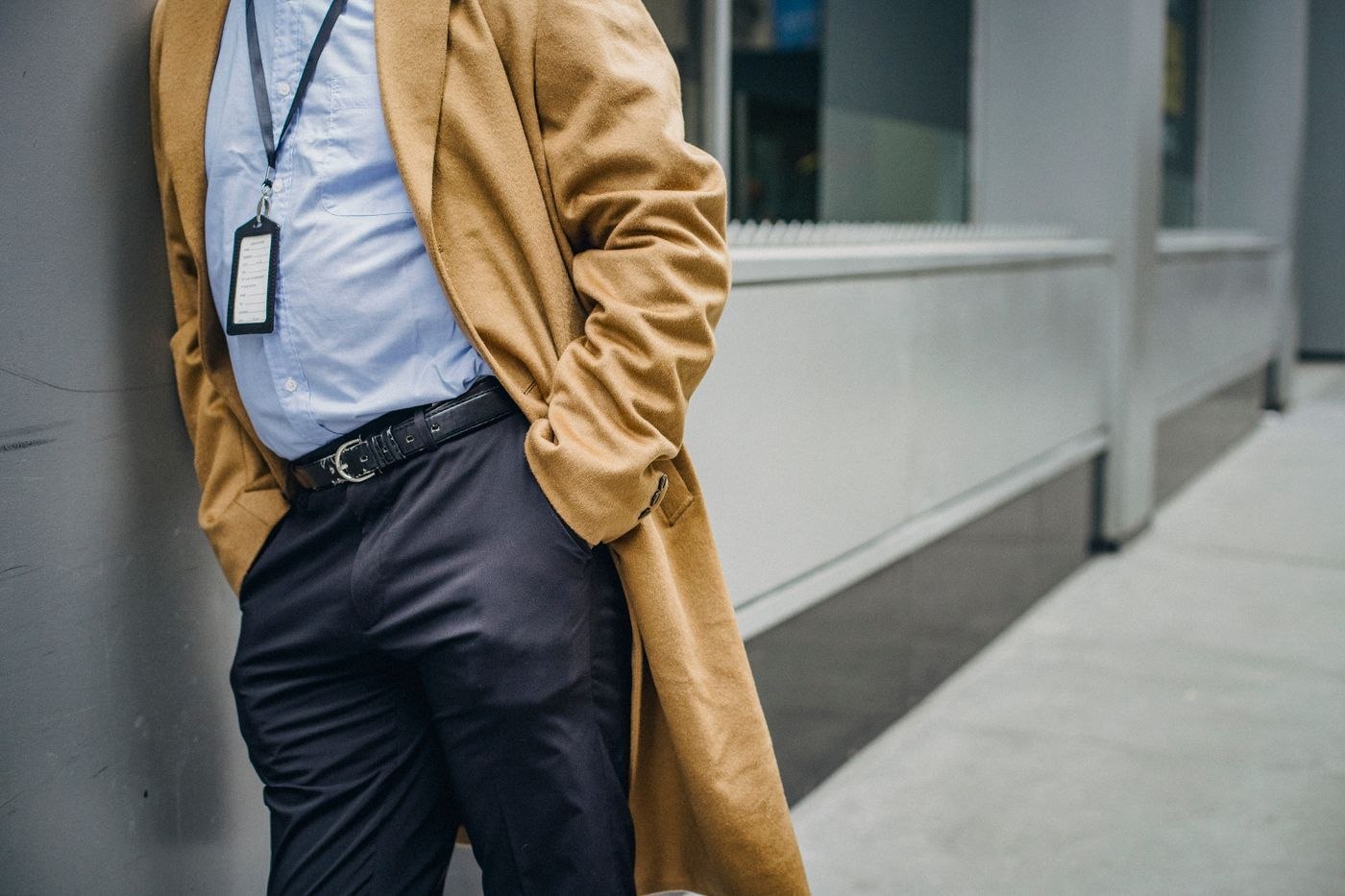
Choose the coat around your normal layers rather than saving it for a suit you rarely wear.
Wardrobe
Test the second layer at the shoulders, sleeves and hem—not just across the chest.

Wardrobe
Give this in-between layer a defined job before choosing its weight and cut.
Wardrobe
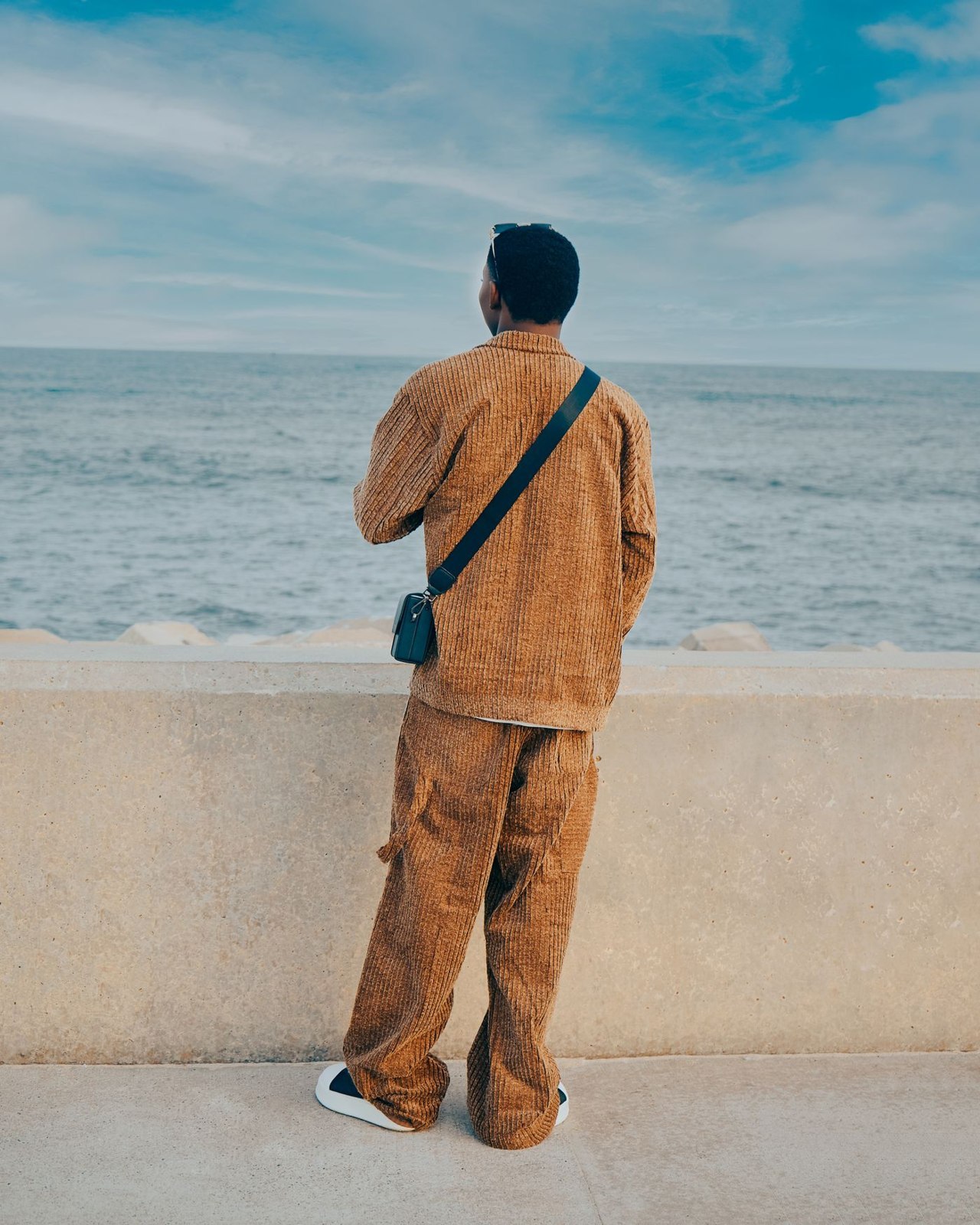
Let the ridged fabric provide the interest, then choose ordinary companions.

Wardrobe
A collar with a softer body can work where a woven shirt feels too crisp.
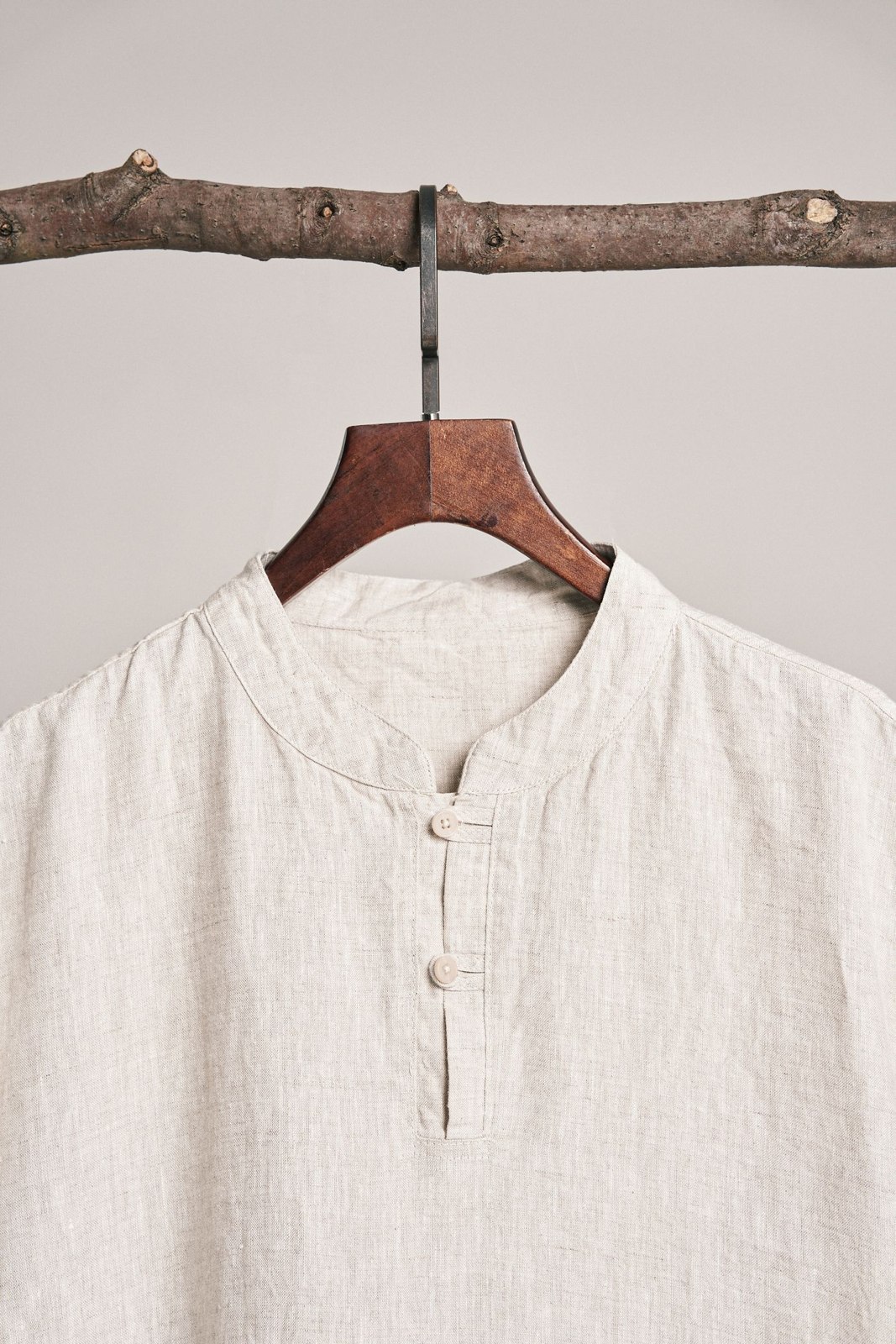
Wardrobe
Leave enough ease for the cloth to move, and treat creases as part of the decision rather than a surprise.

Wardrobe
Choose the surface and shape before assuming that black is the only answer.

Wardrobe
A smooth high neckline can replace a shirt collar, but comfort at the neck comes first.

Wardrobe
Use the opening and soft shape deliberately, while keeping weather expectations realistic.
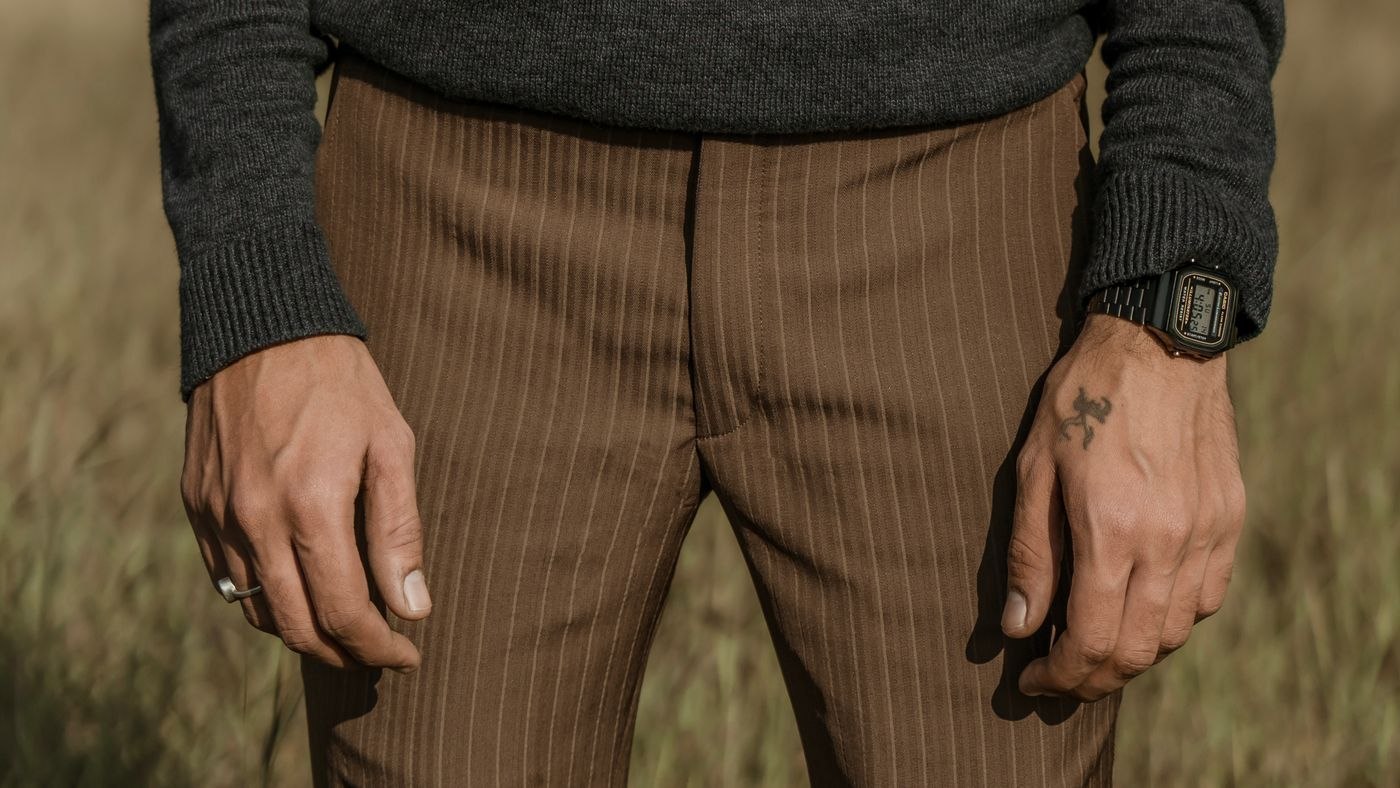
Wardrobe
Let the extra room at the front work with the waistband, rather than treating pleats as decoration alone.

Wardrobe
Treat the horizontal stripe as one pattern, not an instruction to build a themed outfit.

Wardrobe
The sleeve opening and body length matter more than whether the shirt has a bold print.

Wardrobe
Identify what made the old garment useful before searching for something that merely looks similar.
No articles match. Try another word.