Wardrobe
The unstructured blazer with casual trousers
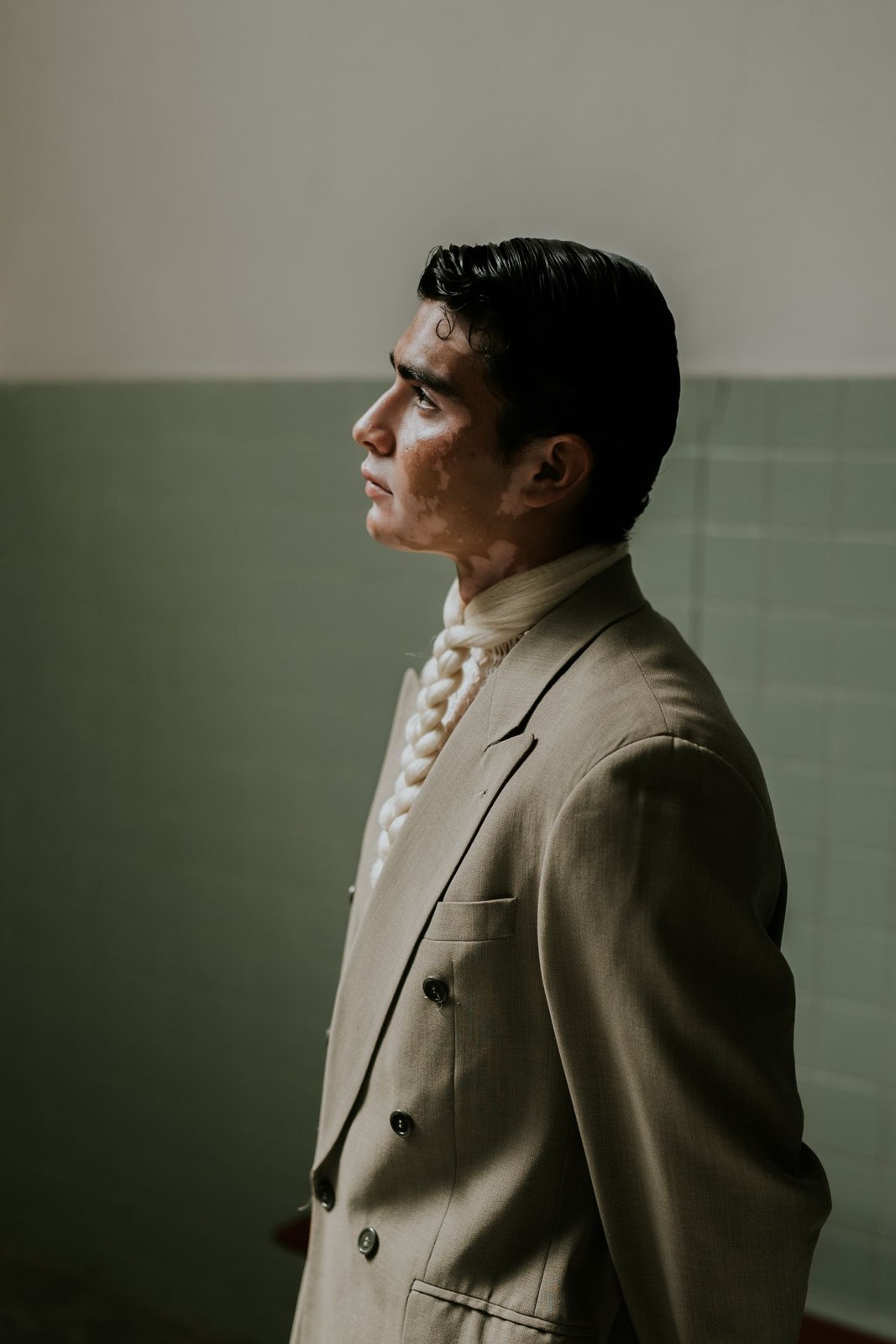
A softer jacket needs enough shape to sit well and enough ease to belong with the rest of the outfit.
Soft does not mean shapeless
An unstructured blazer can bridge the gap between a formal jacket and an overshirt, but the label covers a range of constructions. Some jackets are lightly lined; others have very little internal support. Judge the actual garment rather than assuming the word guarantees comfort. Put it on over the layer you intend to wear, not just the thin shirt supplied by a changing-room mirror.
The shoulder should settle without a pronounced hollow or overhanging edge unless an oversized effect is deliberate. Fasten the intended front button and look for pulling around it. Then unfasten it and move. A jacket can look excellent closed for a photograph but swing awkwardly when worn open, which is how many casual blazers spend most of their time.
Avoid the missing-suit-trouser effect
A visibly textured or matte cloth often makes the jacket easier to separate from matching trousers. Smooth, shiny fabric and sharply formal details can suggest an orphaned suit jacket. That is a visual distinction, not a ban: if you already own such a jacket, try it before replacing it. The contrast may work, especially when the trousers are clearly different in both colour and texture.
Dark denim is one possibility, but make the difference from the jacket clear. Two almost matching blues can seem more accidental than navy with mid-blue jeans. Stone cotton trousers give a stronger contrast, while brown or olive can be quieter without attempting to match. Place the pieces together in daylight because similar dark colours can merge under warm indoor light.
Choose the layer underneath for its outline
A plain T-shirt removes the formality of a shirt collar. Its neckline needs to sit neatly because the jacket draws attention towards it. A polo introduces a collar without all the detail of a button-front shirt. A lightweight knit adds texture, but check sleeve movement: soft jacket construction does not create unlimited space underneath.
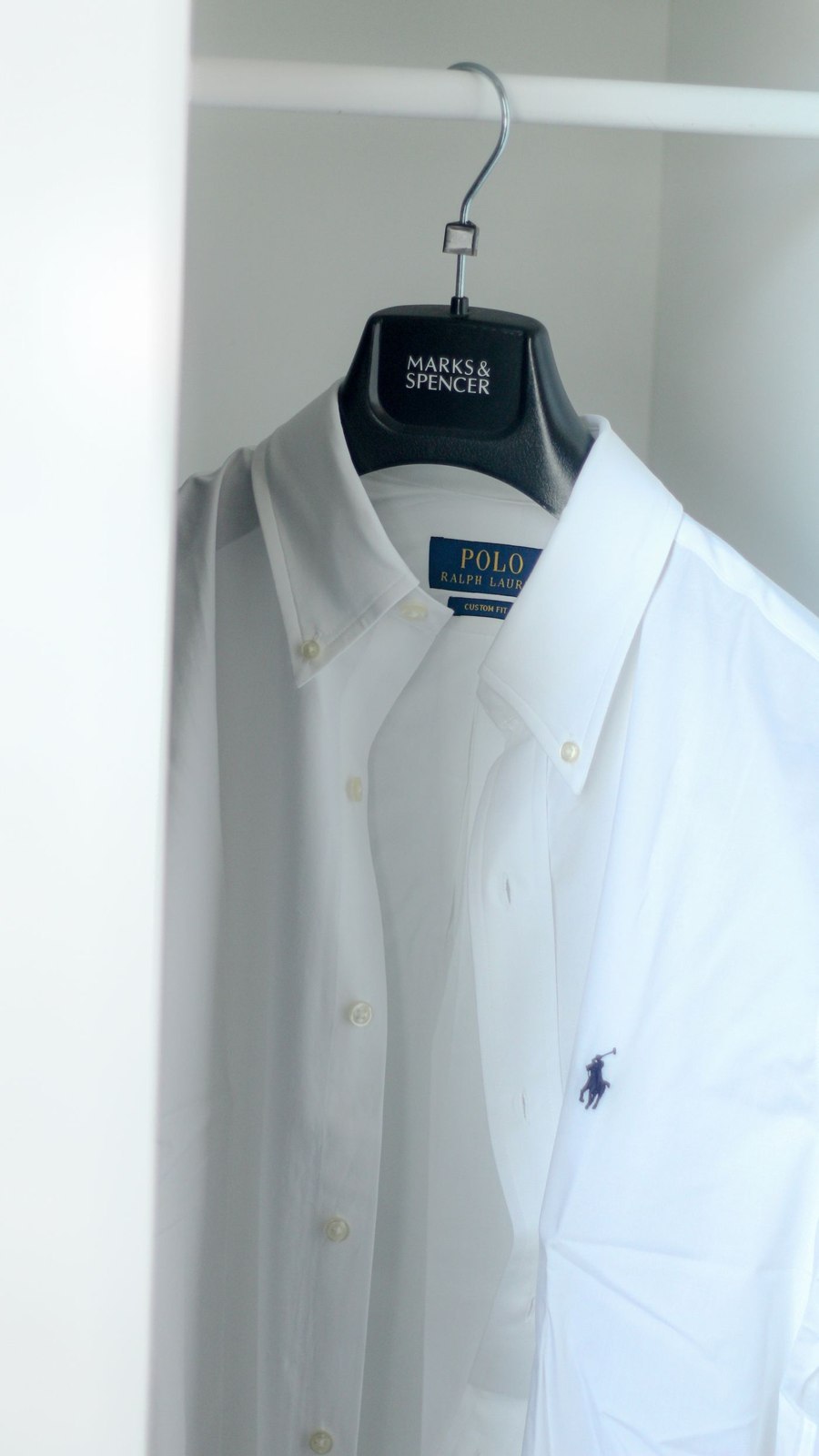
An Oxford shirt is also at home here. You can leave the top button open without turning the collar into a statement. If the collar points repeatedly sit on the lapels, try a smaller or more stable collar. Solve the physical relationship before adding a pocket square, tie or another decorative detail.
Length and footwear finish the balance
A very short blazer can make the upper half look compressed, especially with a long shirt underneath. A longer one can work well with relaxed trousers, but may overpower a narrow leg. Stand back far enough to see the whole body. The relationship is easier to judge at that distance than in a chest-height mirror.
For shoes, start with something familiar: leather trainers, loafers or simple lace-ups. If the outfit feels too formal, changing the shirt to a knit or T-shirt may be more effective than choosing an aggressively sporty shoe. If it feels too loose, a cleaner trouser line may help more than fastening the jacket all day.
Before buying, sit in the jacket for a moment and use the pockets only as you normally would. A phone weighing down one side can change how the front hangs. You do not need a jacket that stays perfectly smooth through every movement; you need one that returns to a shape you like without repeated rearranging.