Care & storage
Checking a garment before taking it to a cleaner
Give the cleaner the information that a quick glance cannot provide.
Bring the history of the mark
A cleaner can inspect a stain, but you may know something that changes the assessment: it came from a sauce, a leaking pen or a product used at home. Note when it happened and what has already been applied. Do not add another treatment just before the visit to make the garment look less embarrassing; it can obscure useful information.
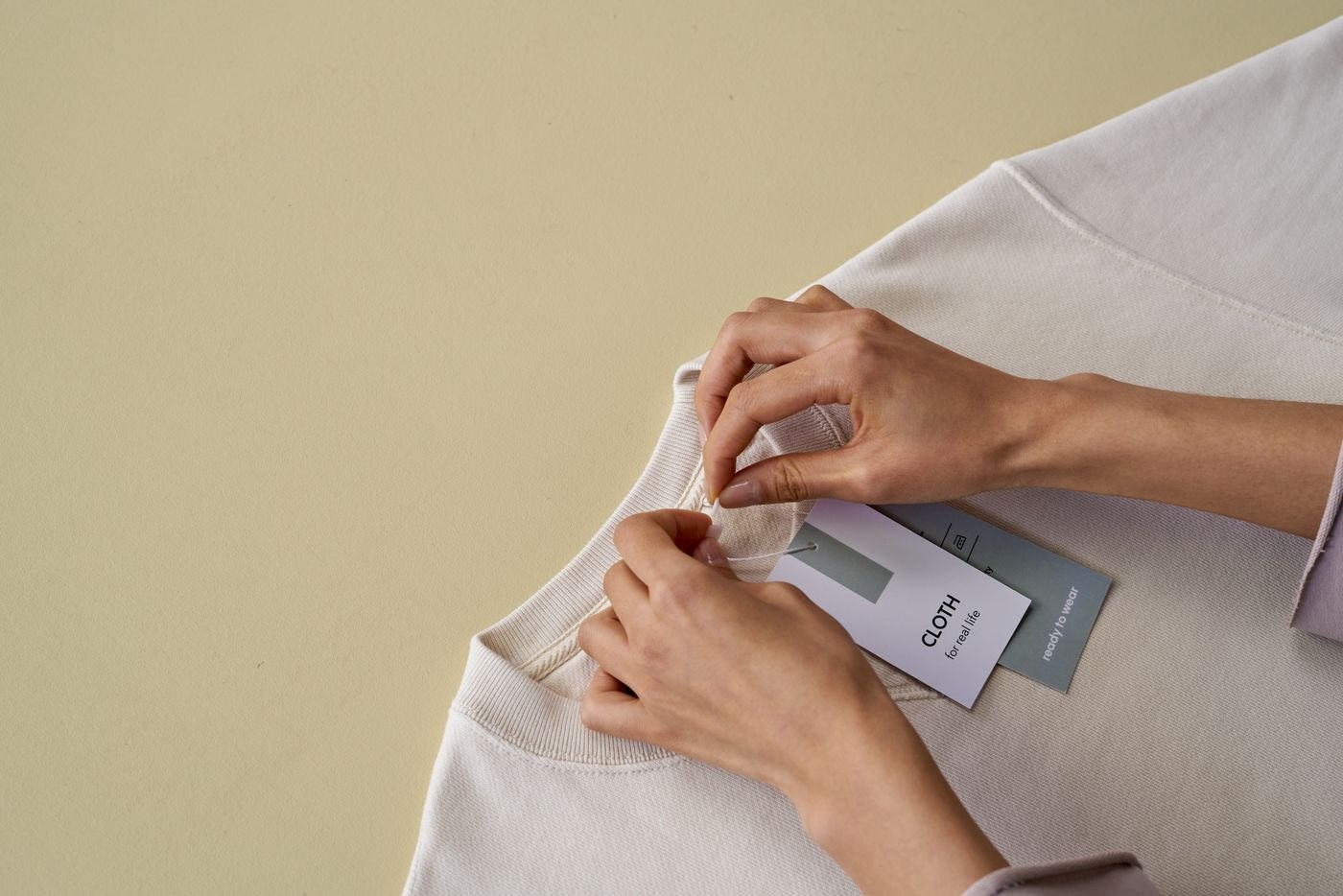
Find the care label and leave it accessible. If it has been removed, bring a photograph or the maker’s instructions if available. Fibre content is useful, but it does not describe every trim, dye or structural component. Professional wet cleaning and domestic washing are not interchangeable processes, so leave the choice of method to the cleaner’s assessment.
Inspect the whole garment together
Empty pockets and remove unrelated objects. Check buttons, zip pulls, lining seams and any decorative attachments. Point out a loose part instead of hoping cleaning will leave it unchanged. If a belt or detachable component needs the same treatment, ask whether it should accompany the garment rather than automatically leaving it at home.
Show marks in good light and identify anything that is already worn or discoloured. A photograph can help document the condition of an expensive or delicate item, although it does not replace a conversation. Ask whether any part should be repaired before cleaning and whether the proposed process has a known risk for the fabric or finish.
Ask a few precise questions at handover
For a garment with contrasting trims, ask whether the proposed treatment can affect their colour or finish. For a jacket with an attached ornament, point it out rather than assuming it will be noticed immediately. If a component is removable, ask who should remove it and how it will be kept with the garment. Clear handover details reduce the chance of an item being returned without something you expected.
If the cleaner recommends a test or warns that a mark may remain, ask what outcome is realistic before authorising further treatment. The most aggressive available option is not automatically the right choice for a garment you want to keep wearing. A faint trace may be preferable to loss of colour or texture, depending on the item and your priorities.
For a matching set, ask whether pieces should be treated together, especially if the appearance of one component may change. Do not assume that a jacket and trousers need identical treatment merely because they were sold together; their construction may differ. The question is how to preserve a usable result across the set while respecting each piece.
Agree on the desired outcome
Explain the result you want in concrete terms: remove a particular mark, refresh a coat before storage, or finish trousers without changing an existing crease line. Do not assume that pressing, stain treatment and minor repairs are all included in one service. Ask about the scope and timing before leaving the garment.
Some marks cannot be removed safely, and a responsible answer may involve accepting a faint trace rather than damaging the surrounding fabric. On collection, inspect the garment before putting it away. Confirm that detachable parts are present and that it is fully dry before long-term storage. Keep any new care advice with the garment’s information so the next visit starts with a record rather than the same uncertainty.
When the first answer is to leave a mark
A recommendation not to pursue complete removal can be a meaningful outcome rather than a failed service. Ask what further treatment might change and whether the risk affects only the marked area or the garment more broadly. Then consider how visible the remaining trace is during normal wear. A tiny mark on an inside edge may matter less than a change to a large visible panel.
If you seek another opinion, bring the same history and mention the first assessment. Do not describe the garment as untreated after a previous attempt. Consistent information helps the next professional judge it accurately. Keep your decision separate from embarrassment about the stain: the useful question is which option leaves a garment you can still use, not which option promises the most dramatic immediate transformation.