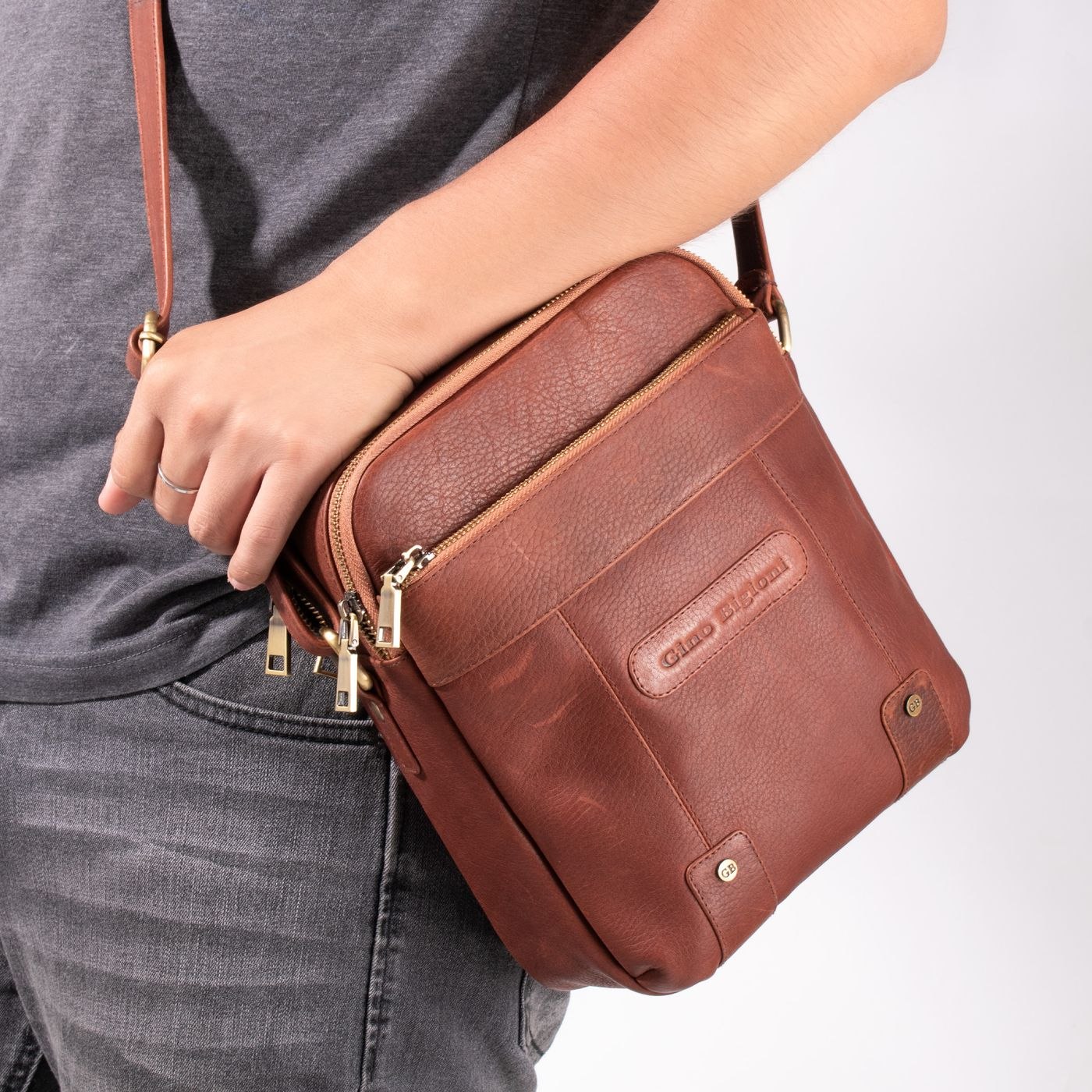
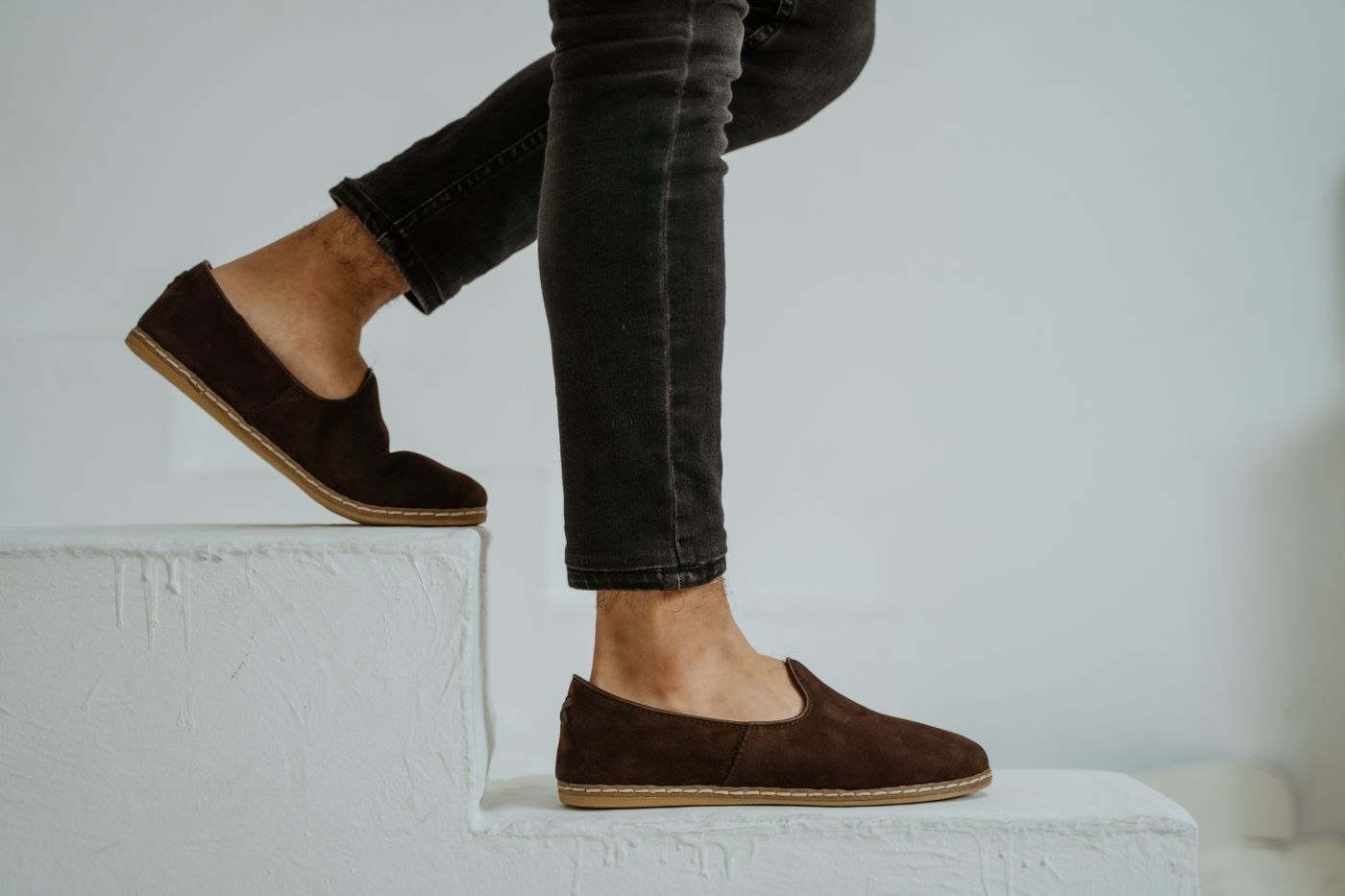
Shoes & accessories
A scarf without too much bulk
The coat collar and the scarf need to share the same small space.

Count the layers around the neck
A scarf that feels manageable over a T-shirt may become crowded beside a roll-neck and a high coat collar. Try those layers together. If the scarf pushes your chin upward or prevents the coat from closing comfortably, changing the knot may help, but a lighter or narrower scarf could be the simpler answer. More fabric is not automatically more useful.
Look at the material folded as you will wear it, not only spread flat. A long scarf can become very thick after several wraps. A shorter one may leave fewer options for fastening but sit more quietly beneath a jacket. Think about the actual arrangement you prefer rather than buying length for combinations you never use.
Choose where the ends belong
Leaving the ends inside the coat gives a different outline from draping them outside. Inside, they need enough room not to form a ridge down the chest. Outside, they become part of the visible outfit and may move around while walking. Test both with the coat closed, because an open-coat photograph can hide the space the scarf really occupies.
A simple loose wrap may be all that is needed. Complicated knots can use up length and create a concentrated lump at the throat. If you enjoy a particular knot, choose a scarf suited to it instead of forcing a thick winter piece into every arrangement. Comfort should survive turning your head and looking down, not just facing a mirror.
Use colour without building a set
A scarf can introduce colour beside a neutral coat, or remain close to the coat for a quieter result. It does not need to match a hat and gloves exactly. A difference in texture or shade can make the combination feel less like a purchased set. Start with the coat's dominant colour and decide how much contrast you want near the face.
Check the fabric against your neck before buying when possible. A material that feels pleasant in the hand may feel different against more sensitive skin. Read the composition and care label, but do not assume a fibre name guarantees your personal comfort. Blends and construction affect the feel as well.
When you come indoors, give a damp scarf a chance to dry rather than packing it tightly into a bag. Follow its care instructions and store it without unnecessary strain. An everyday scarf should be easy enough to handle that you keep wearing it, rather than becoming another item to adjust throughout the day.