Care & storage
A care routine for clothes used only occasionally
Check the garment before storage and well before the next event.
Do not put the last evening away with the jacket
Occasional clothing can seem easy to care for because it is rarely worn. The difficulty is that a small stain or damp cuff can remain unnoticed for months. After an event, empty pockets and inspect the garment before returning it to long-term storage. Look at the places that touched food, skin or the ground, not only the visible front.
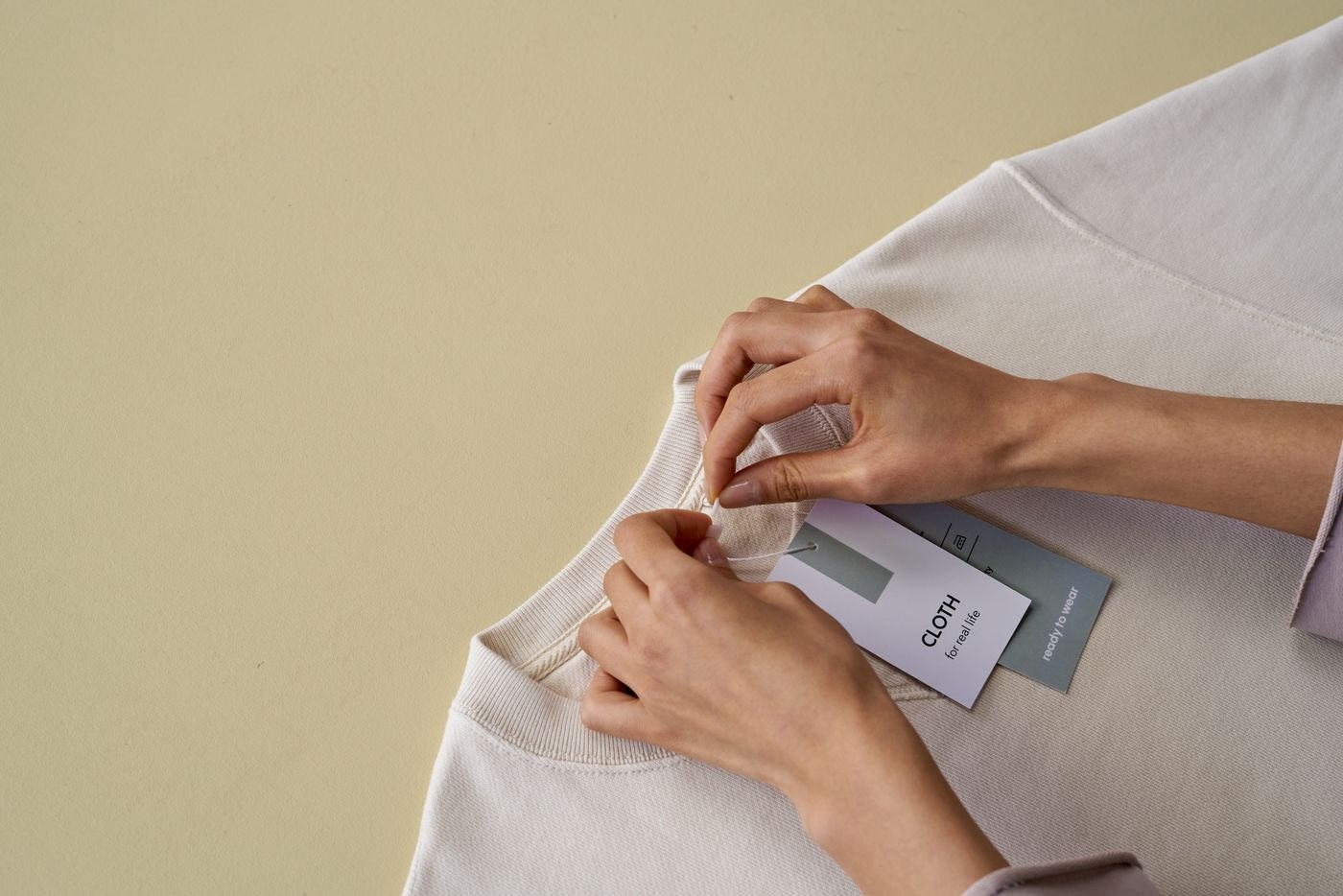
Decide whether cleaning is needed based on condition and the care label. Do not automatically wash a clean unworn item just because a season has passed, but do not hide a marked garment because it will not be needed soon. Arrange any cleaning or repair while the cause of a problem is still easy to remember.
Store the shape you want to find
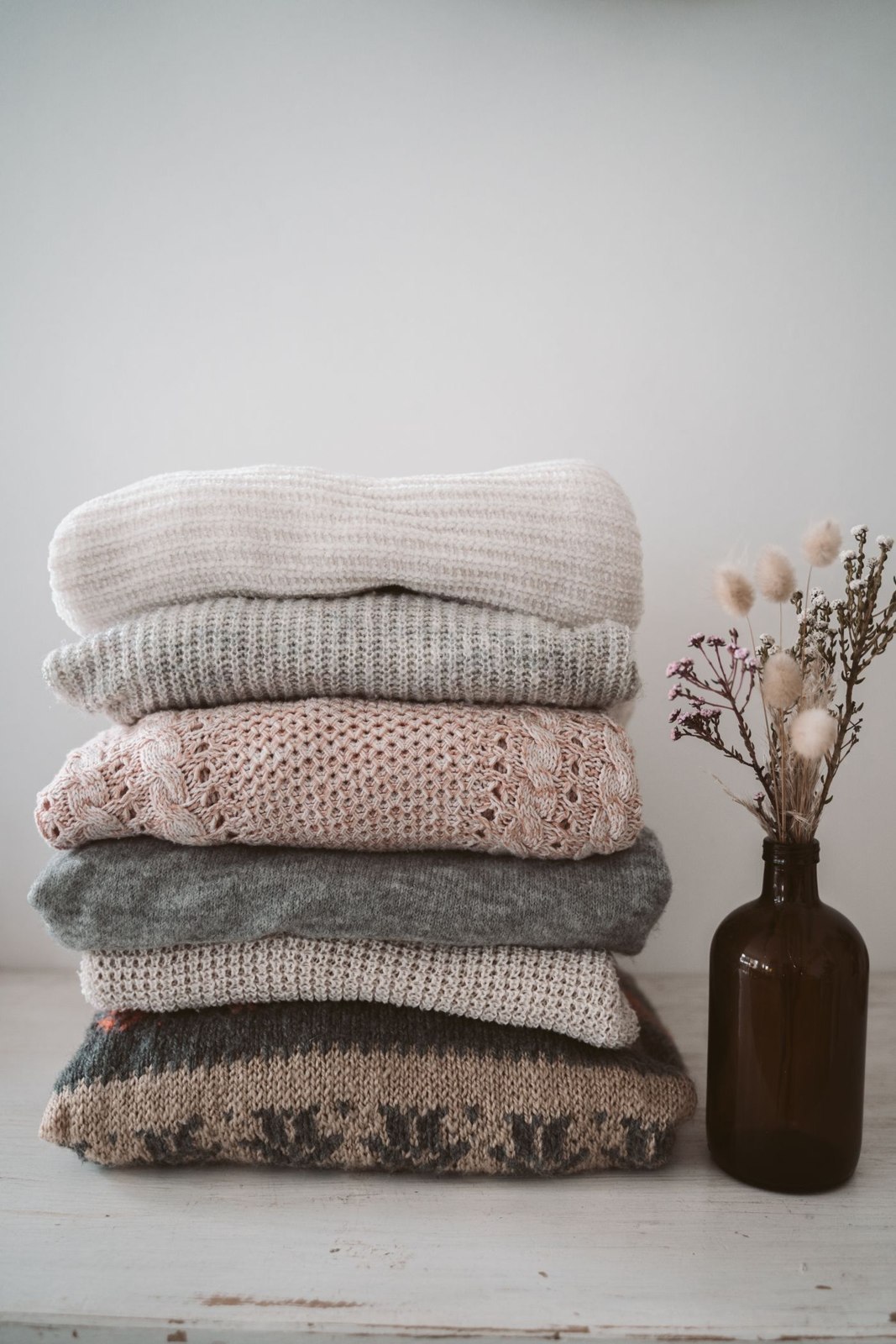
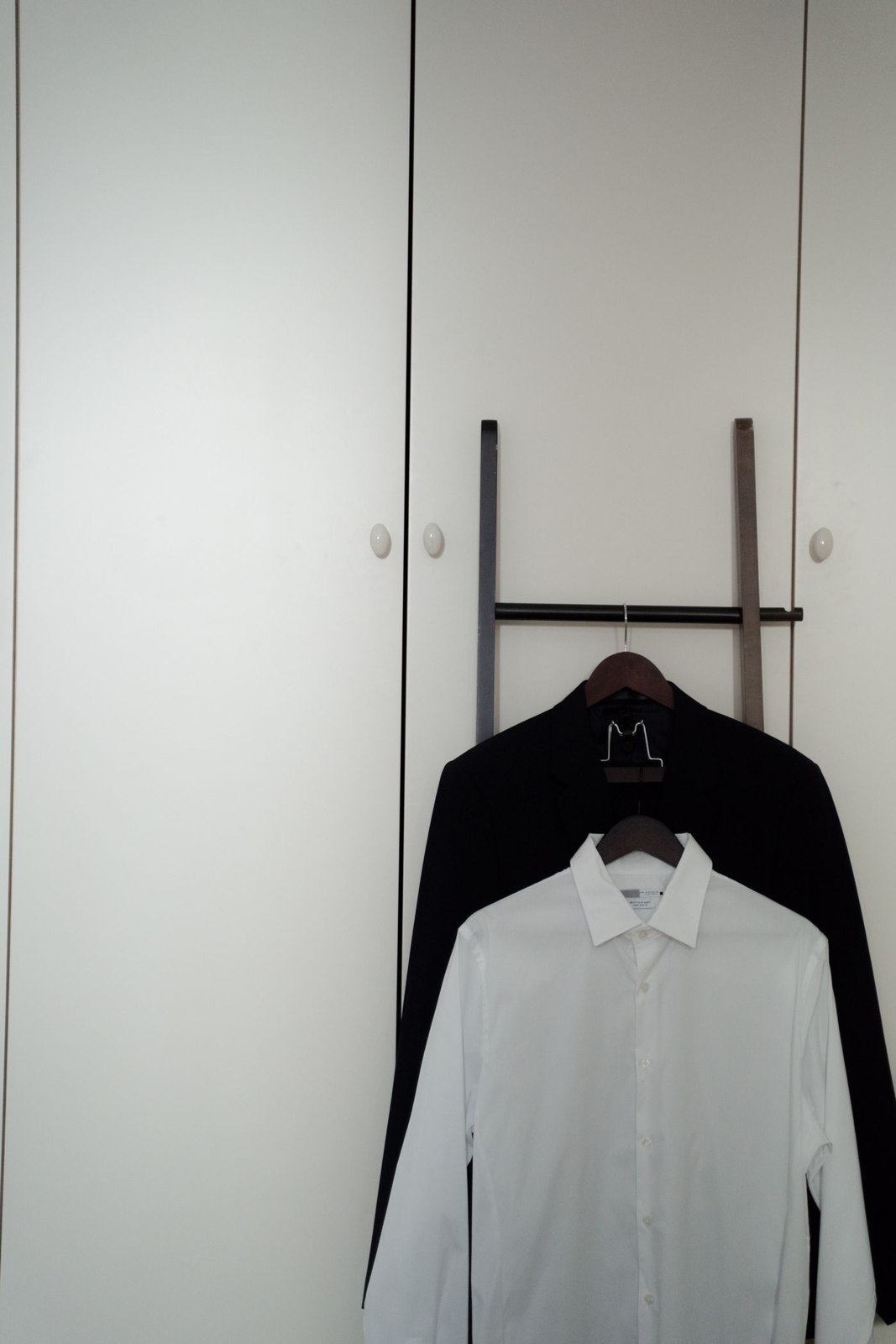
Use support appropriate to the garment: a suitable hanger for structured clothing, folding where a knit would stretch on a hanger. Keep everything fully dry and avoid tight compression. Store detachable pieces together without placing heavy accessories against delicate cloth.
Choose a location you can inspect. An inaccessible box in a damp corner does not become suitable simply because it is labelled formalwear. Check periodically for moisture, insects or new damage. Covers and containers can be useful, but their suitability depends on the garment and storage conditions, not just how tidy they look.
Use the next event to plan the checks
Work backwards from the date rather than assigning an arbitrary cleaning interval. If an alteration or professional service might be needed, inspect early enough to arrange it. For a simple shirt-and-trouser outfit, lay out all parts together, including shoes, belt and any tie. A clean jacket does not make the outfit ready if the trouser fastening is damaged or the intended shoes remain damp.
Try on the pieces in combination, not on separate days. A changed trouser rise can alter the visible length of a shirt or knit; a different shoe can alter the hem. These are outfit questions rather than cleaning failures, and noticing them early avoids unnecessary treatment of a garment that is already in good condition.
For items borrowed from your own storage only once a year, keep the inspection note factual: button to replace, stain to discuss, trousers to try with loafers. Avoid vague instructions such as fix outfit, which do not tell you what to do. Once the issue is resolved, remove the note so it does not create uncertainty at the next use.
Set a check before the next occasion
Try the complete outfit sufficiently before the event to allow time for changes. A garment can remain in good condition while your preferred fit, shoes or layers have changed. Inspect closures and lining, and confirm that the trousers still meet the intended shoes at a workable length.
If pressing or cleaning is needed, follow the label and allow realistic time. Do not discover a missing button while the taxi is arriving. Keep a simple note with the garment if a particular accessory or alteration is needed next time.
After the next wear, repeat the inspection rather than following a complicated calendar. The routine can remain brief: check, address actual problems, dry fully and store appropriately. Its purpose is to make occasional clothing available when needed, not to create unnecessary treatments for garments that are already clean and ready.