Underwear & leisure
Replacing stretched underwear thoughtfully
Assess the fit of the garment you own, then replace the missing function rather than buying a drawerful at once.
Separate a tired garment from a poor original fit
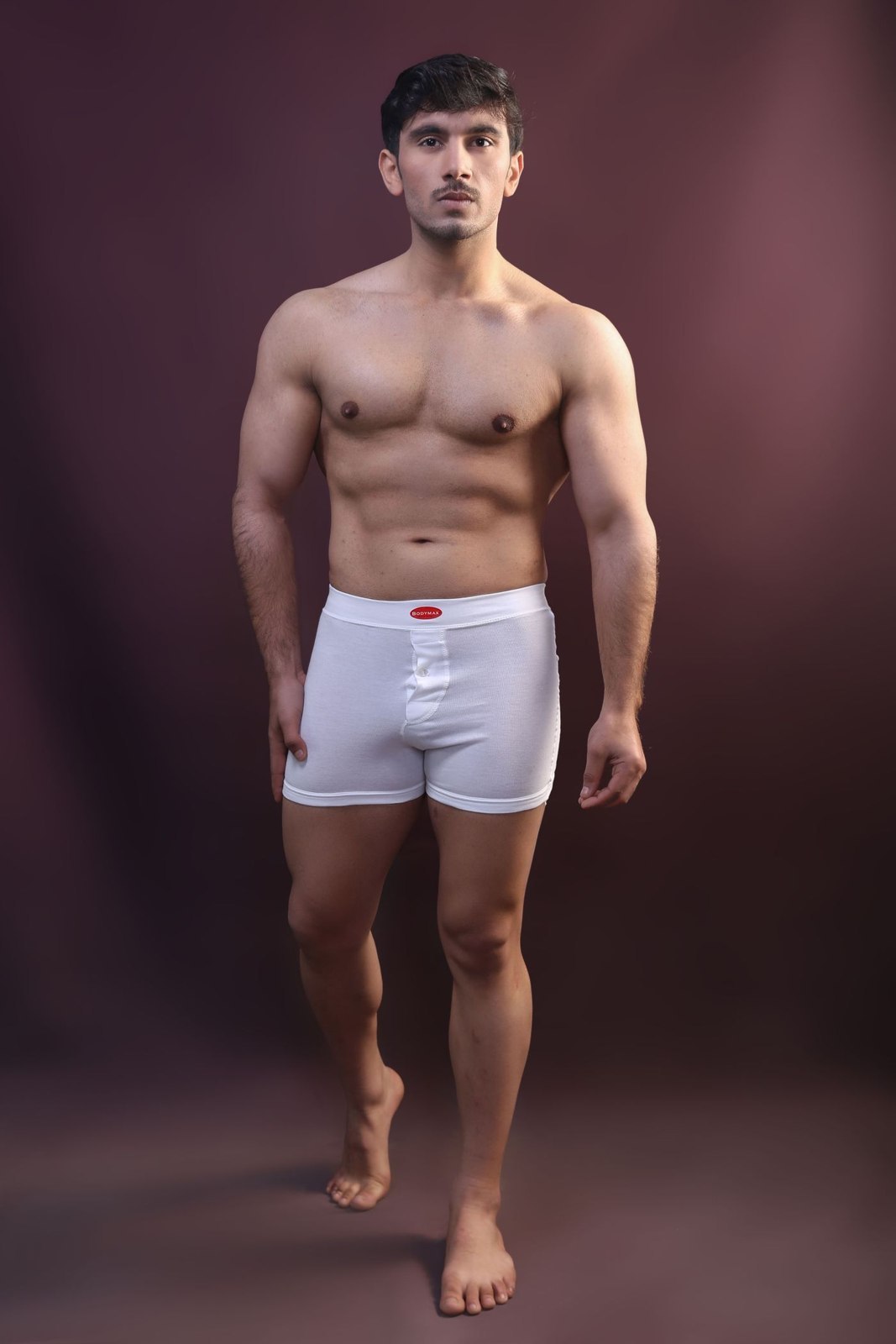
A waistband that no longer returns to its usual shape is different from one that was uncomfortable from the first wear. In the first case, replacing a familiar model may make sense. In the second, buying the same shape again may repeat the problem. Look at the whole garment: waistband, leg openings, seams and the fabric through the seat. One worn area can change how the rest sits.
Try the underwear during ordinary movement rather than judging it only while standing. If it slides down, rolls or repeatedly needs adjusting, identify where the movement begins. A loose waist and a tight leg opening are not the same issue. There is no universal replacement date that can resolve these differences; use the condition and behaviour of the actual item.
Check whether a recent laundering change coincided with the problem. Follow the garment's instructions rather than trying a hotter wash or high heat to force elastic back into shape. If the cloth or elastic is visibly damaged, an attempted rescue may not restore the fit. The aim is a usable garment, not keeping every item indefinitely regardless of condition.
Buy one test pair before a large pack
If the model or your preferred fit has changed, a single pair provides more information than a discounted multipack. Read the seller's hygiene and return conditions before opening packaging or trying anything on. Compare the size guide and the type of measurement it uses; a familiar letter size is not a promise of the same dimensions across brands.
Wear the new pair with the trousers you use most. A longer leg can behave differently beneath close jeans than beneath loose cotton trousers. Check the waistband seated and the seams during walking. Comfort is personal, so avoid treating another person's favourite cut as evidence that it must work for you.
Once a replacement proves useful, review the rest of the drawer in small groups. Keep enough suitable pairs to cover your actual laundry routine, including drying time and an ordinary delay. That number varies between households. Buying a large quantity without testing the fit can turn a simple replacement into a collection of unworn items.
Decide what happens to the old underwear according to its condition and local collection rules. Do not assume every textile collection accepts every used garment or that worn underwear is suitable for donation. Check the receiving organisation's instructions. Keep the decision practical: replace pieces that no longer serve their purpose, without turning a familiar drawer into a cycle of unnecessary bulk purchases.