Underwear & leisure
Keeping a small holiday wardrobe coordinated
Pack combinations for the trip you booked, with enough flexibility for weather and laundry—not an outfit for every imagined scenario.
Begin with the fixed points of the trip
A small holiday wardrobe starts with information rather than a suitcase. Note the number of nights, the likely conditions, the activities already planned and any actual dress requirements. A city break with one restaurant booking needs a different set from a beach stay or a trip built around walking. Do not assume that every holiday needs a formal outfit, but do check the places you have booked.
Look at the journey as well. You may leave a cool place, spend hours in transport and arrive somewhere warmer. The clothes worn in transit should connect with the rest of the wardrobe where possible. A layer that is useful only for the first hour can become dead weight unless you have a clear reason to bring it.
Choose bottoms before multiplying tops
Trousers and shorts occupy space and determine which shoes make sense. Begin with the few pairs that cover the real activities. A dark everyday trouser, a lighter pair and appropriate swimwear may be enough for one trip and completely wrong for another. The number is a result of the itinerary, not a target to copy.
Put each bottom with more than one top on a bed or hanger. Check the actual lengths and volumes rather than only the colours. A long shirt that works tucked into trousers may feel awkward over shorts. A very cropped top may not work with every rise. It is better to discover those limits before packing than to carry several individually attractive pieces that never become outfits.
Keep a loose colour relationship
Two or three compatible colour families can simplify combinations, but exact matching is unnecessary. Navy, cream and olive are one possibility; black, grey and pale blue are another. Start with colours you already wear. Buying a new palette for the trip can create more uncertainty than packing familiar clothing.
A patterned shirt can be the deliberate exception if it works with the selected trousers. You do not have to remove every expressive item to pack lightly. The useful test is whether it has a clear occasion and at least one complete combination, rather than whether it belongs in every possible outfit. One specific favourite can justify its space better than an unused supposedly versatile basic.
Make footwear and laundry part of the same plan
Shoes can consume more space than several tops. Choose them for the surfaces, walking distances and settings involved. Do not bring an unfamiliar pair simply because it completes a photograph. If a second pair is needed, give it a distinct role rather than duplicating the first with a minor colour change.
Check whether laundry facilities are actually available and how much time drying will take in the accommodation. Do not build a very small wardrobe around an unconfirmed same-day service. Read garment care labels before assuming everything can be washed together. A plan with a little margin is more robust than one that fails if a single shirt remains damp.
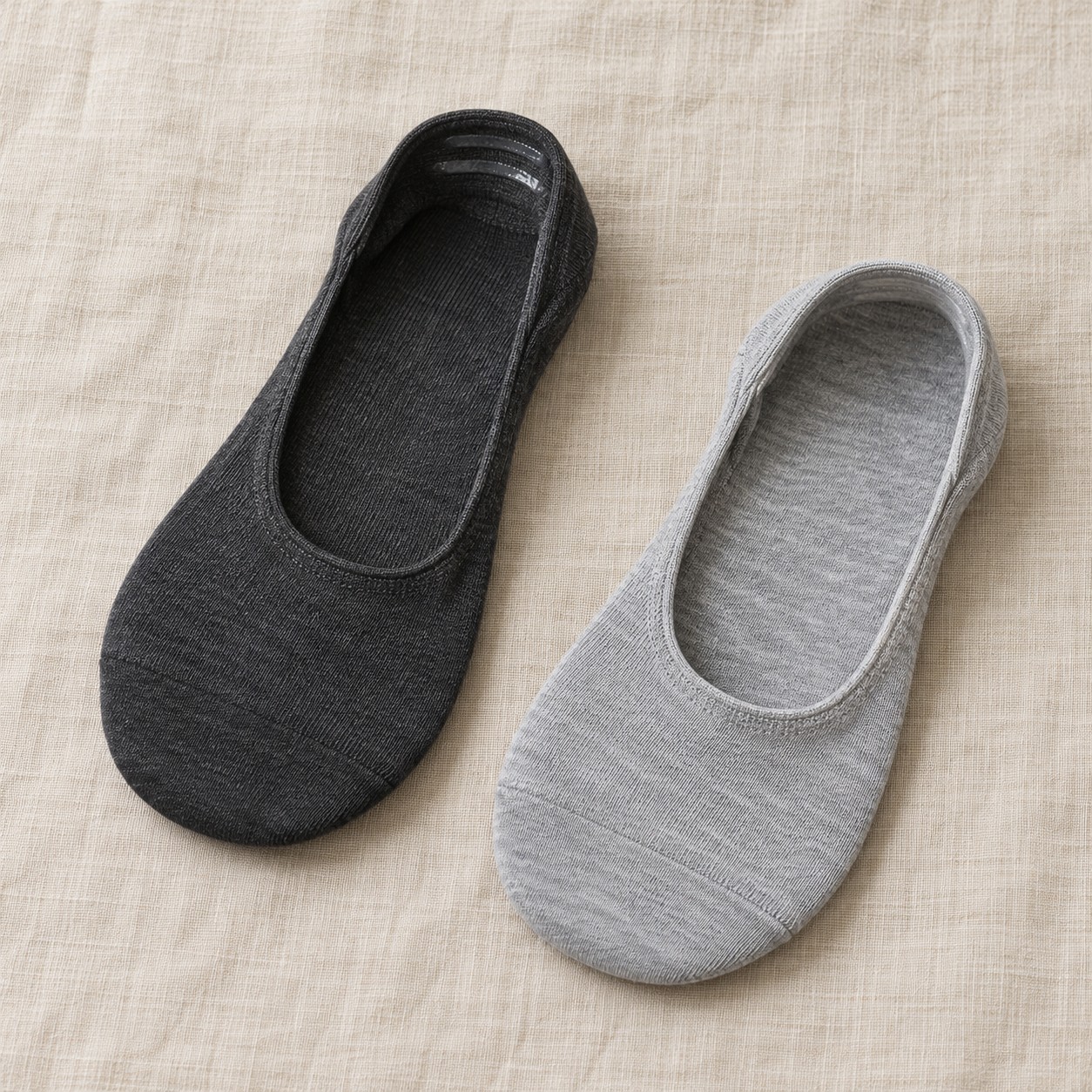
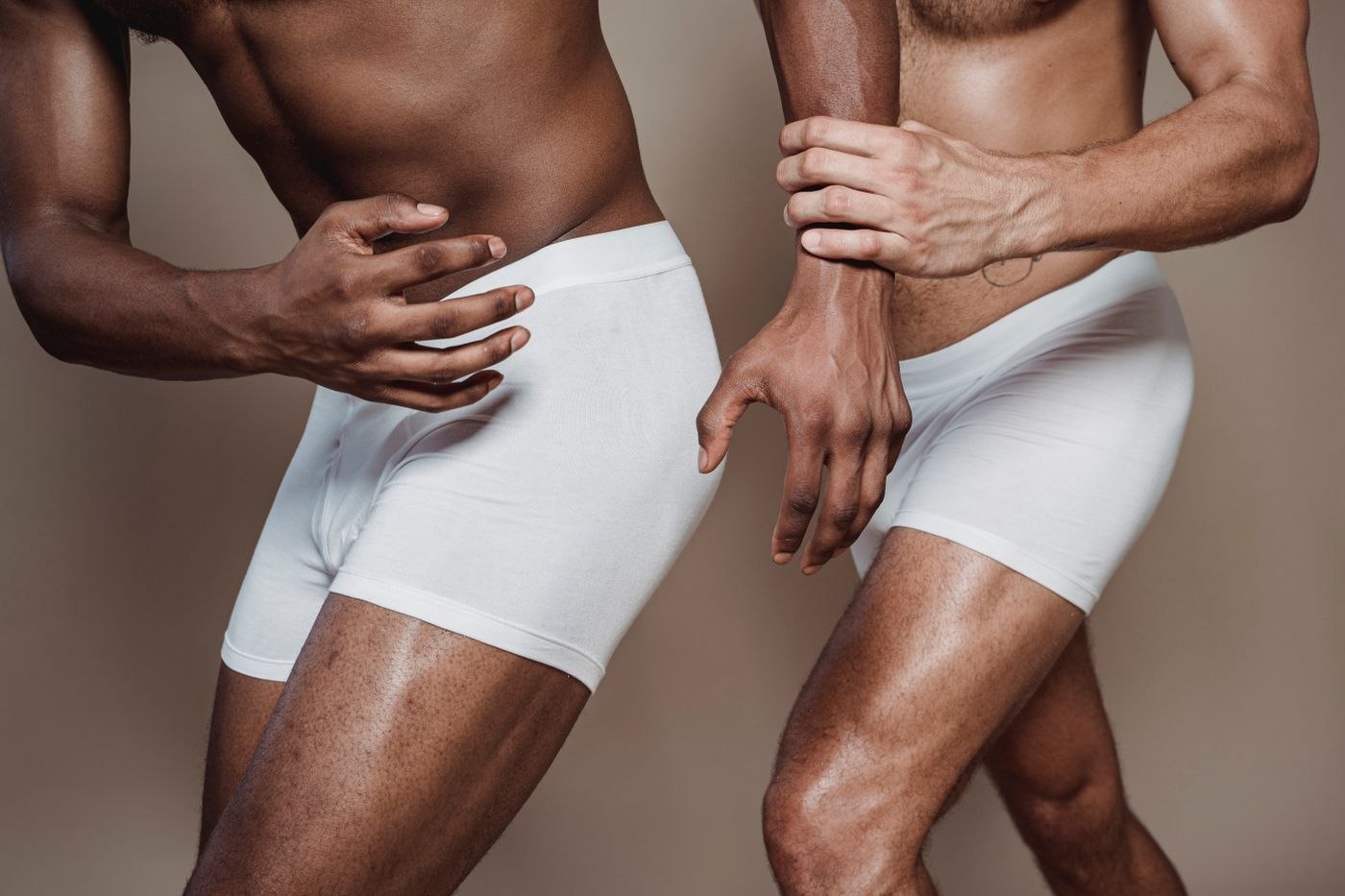
Underwear and socks need their own calculation based on your normal routine and the trip's facilities. Keep them organised without packing so tightly that used and clean items become mixed. A separate lightweight pouch can help, but it should be emptied and dealt with during the trip rather than becoming a permanent compressed corner of the case.
Do a complete outfit check, then stop
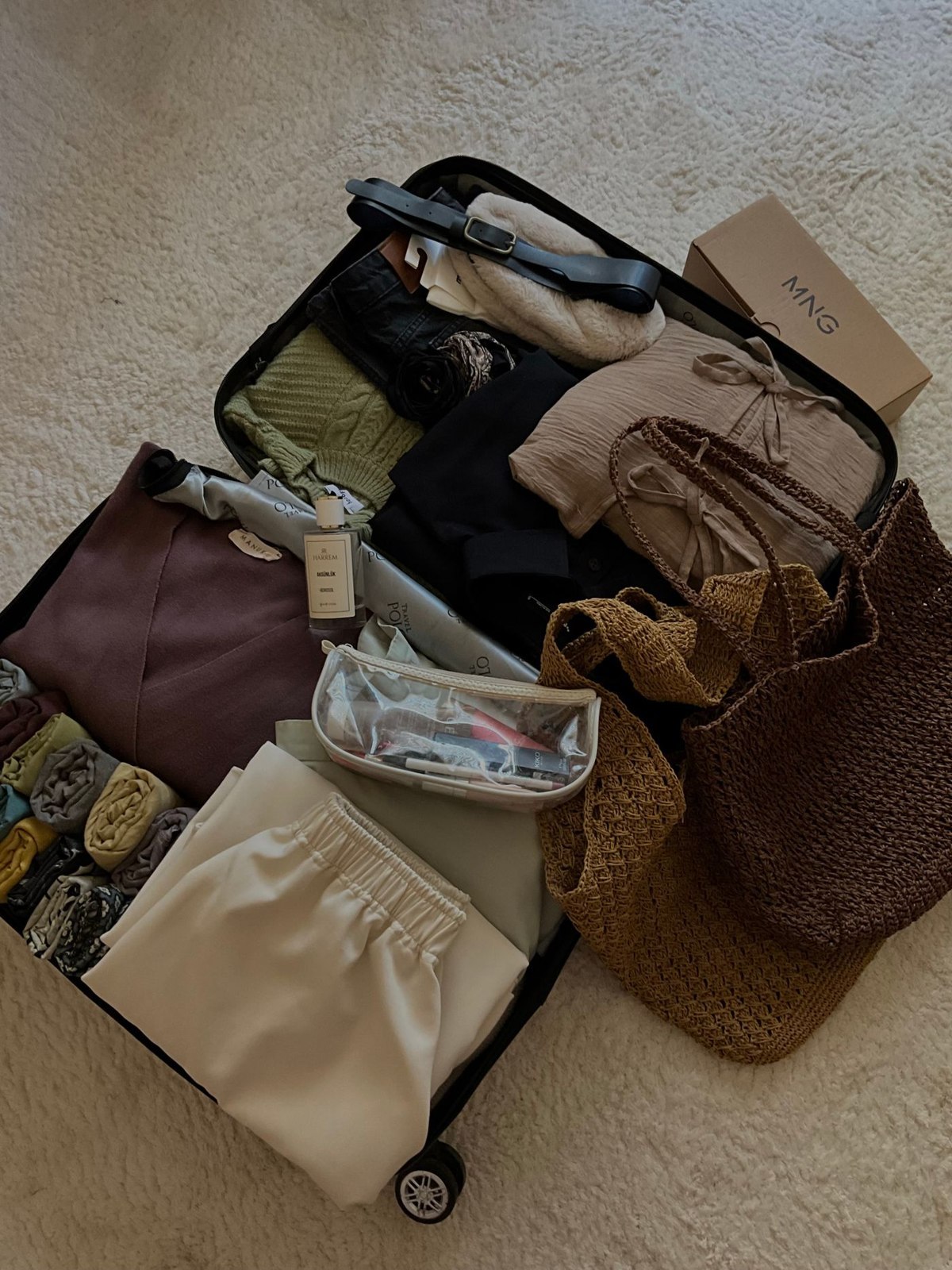
Before closing the bag, try the least familiar combination with its shoes and outer layer. Look at the neckline, hem and pockets. If something needs a new purchase to work, consider replacing that combination with a familiar one. Travel preparation does not have to become a wardrobe renovation.
Leave a little space for the way clothing will pack after use. Perfectly folded clothes at home rarely return in exactly the same arrangement. Finally, remove the pieces included only because there was room. A coordinated small wardrobe is not a test of how little you can own; it is a way to spend less of the trip deciding what to wear and more of it doing what you planned.