Underwear & leisure
House shoes versus outdoor footwear
Choose indoor footwear for the surfaces and routines inside your home, rather than treating it as a smaller version of an outdoor shoe.
Different spaces, different decisions
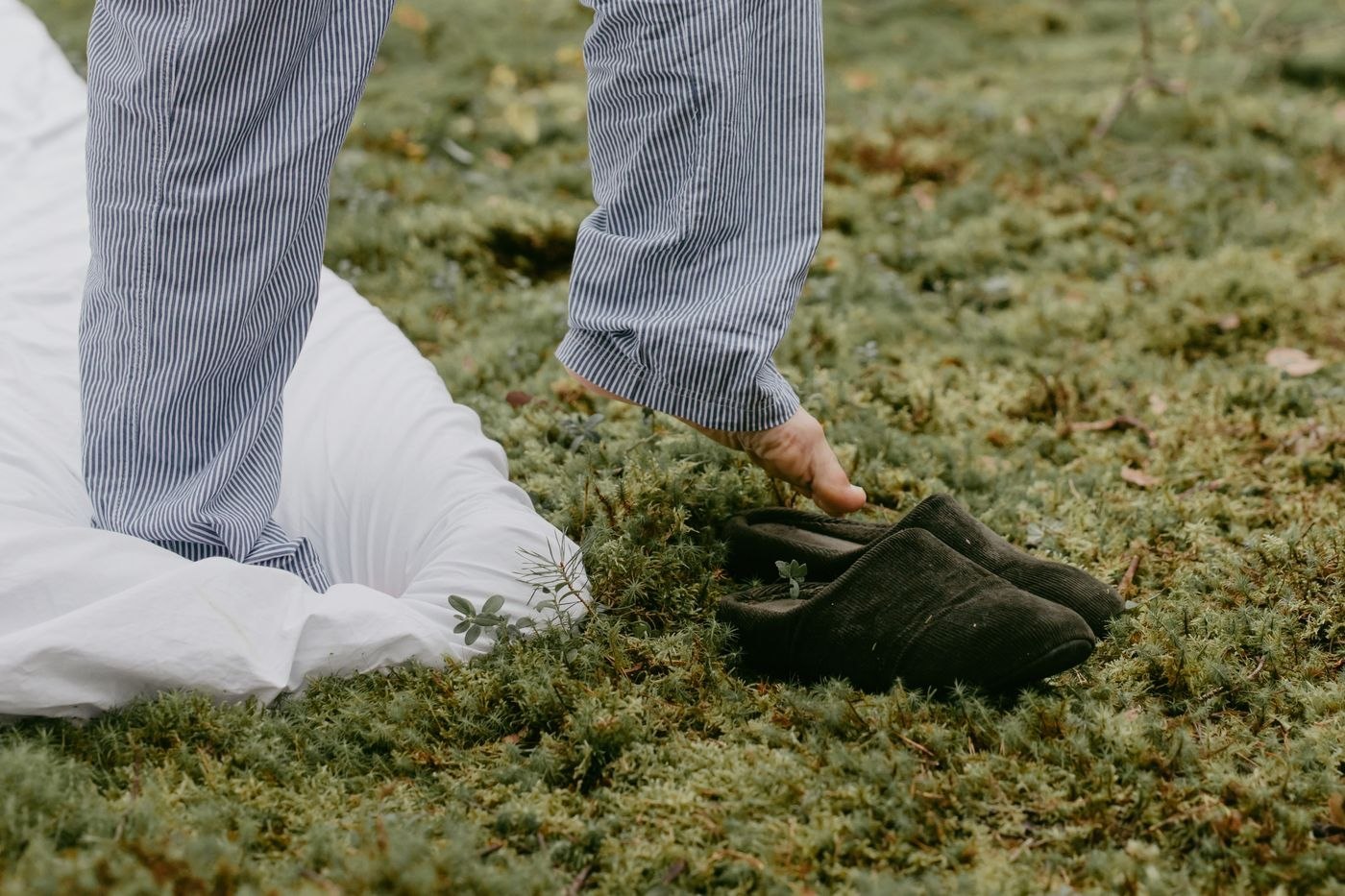
House shoes serve a different routine from footwear used for journeys outside. You may want something easy to put on, a sole appropriate for your floors and enough coverage for your preferred level of warmth. Start with those ordinary needs. The most substantial-looking slipper is not automatically the most suitable, and the lightest option is not necessarily comfortable for the way you move around your home.
Consider whether you use stairs, frequently carry objects or move between rooms with different floor surfaces. Fit should feel secure during your normal movements. An open heel may be convenient for slipping on, but it must suit your preferences and routine. Do not rely on a general style label as a guarantee of grip or support; read the manufacturer's intended-use information and assess the actual product.
Make the indoor boundary workable
If your household leaves outdoor shoes by the door, give them a clear place rather than a growing pile in the walking route. Keep house shoes accessible nearby so changing feels effortless. A boundary that requires searching through a cupboard is less likely to remain convenient when you arrive carrying bags. The arrangement should fit the space, not an idealised entryway from a photograph.
Decide what happens for brief trips outside, such as taking out a bin. Indoor footwear is not automatically suited to wet paving or other outdoor conditions. Keeping an appropriate outdoor pair accessible may be simpler than expecting house shoes to serve both roles. Once a sole has been used outside, treat it according to your own household's rules before returning to the indoor routine.
Comfort includes upkeep
Check the cleaning instructions before buying. Some materials and constructions need different care from an ordinary washable textile, so do not assume the whole shoe can go into a machine. Allow damp footwear to dry as instructed and inspect it periodically for wear. A lining that has collapsed or a sole that has become damaged can change how the pair feels even when the upper still looks presentable.
There is no requirement to coordinate house shoes with every lounge outfit. A simple pair that works with your usual socks and trouser hems is enough. Avoid hems that collect beneath the heel or drag along the floor. If you have particular mobility, foot or medical needs, seek individual advice rather than choosing solely from style descriptions. The purpose here is a workable domestic clothing choice, not a promise of therapeutic benefit.