Outfits
Dressing for a city weekend with one bag
Pack around a short itinerary, not every version of yourself that might appear on holiday.
Write down the fixed plans
Begin with the parts of the weekend that are already decided: travel, walking, dinner reservations and any event with a clothing requirement. A bag becomes crowded when it is packed for imagined alternatives rather than these actual plans. Check the forecast shortly before leaving, but also allow for the fact that a day spent moving between buildings will feel different from sitting outdoors.
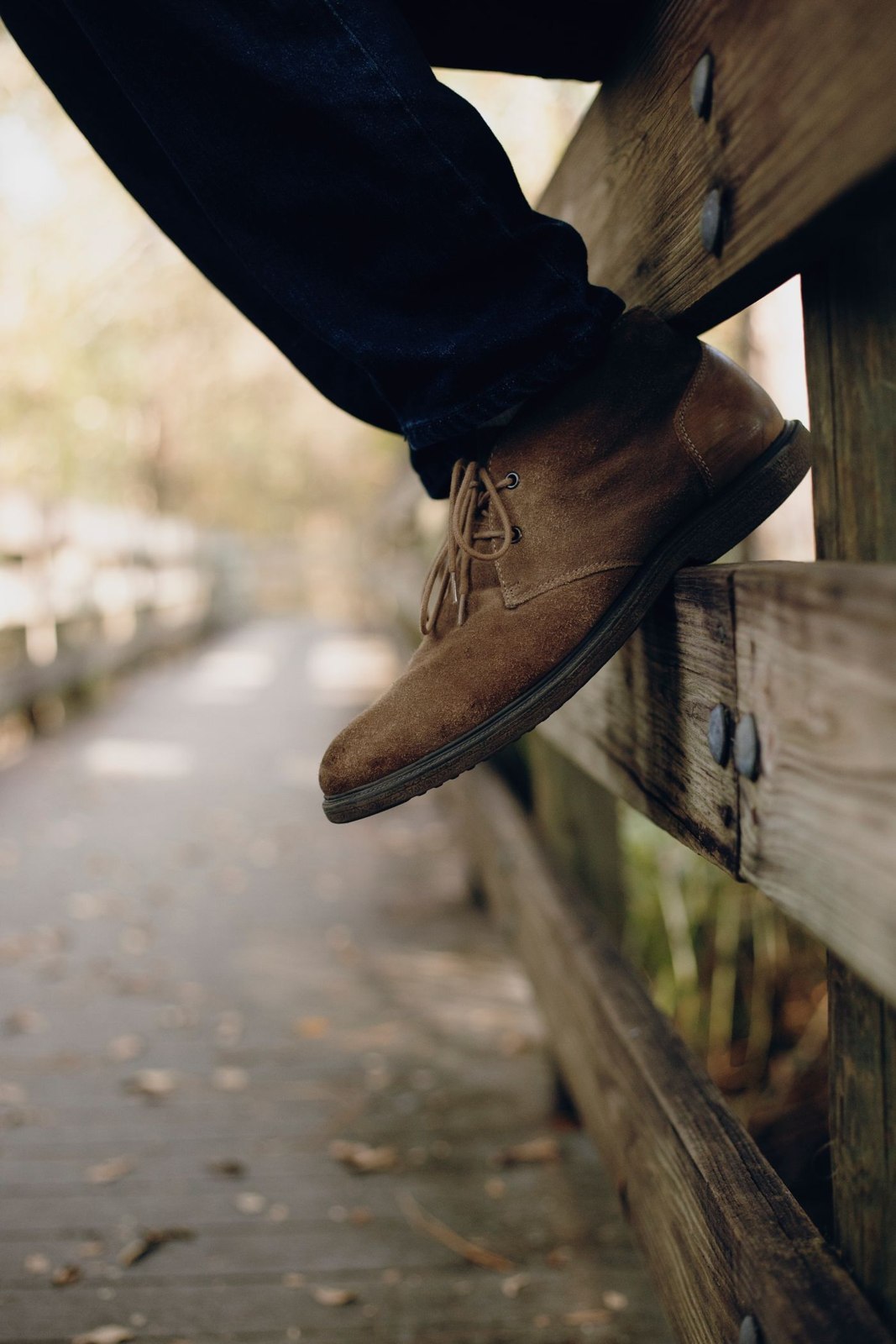
Choose the shoes first. If the trip involves substantial walking, your main pair needs to be familiar and comfortable for that use. A second pair is worth its space only when it solves a real problem, such as a dinner requirement or wet weather. Two almost identical casual pairs usually contribute less than one useful outer layer.
Make the trousers do more than one job
A pair of dark straight trousers can work with a T-shirt during the day and a shirt in the evening. That is not a reason to force one pair through every possible situation, but it helps avoid packing complete separate outfits. If you bring a second trouser, make it meaningfully different in use rather than merely another shade of the same thing.
Try all planned tops with both bottoms before packing. The colour combination may be fine while the lengths are not: a shirt that sits well over one waistband can look awkward over another. Pay attention to shoes at the same time. Packing from memory often misses the fact that your preferred trouser hem only works with one particular sole height.
Choose layers that can separate
An overshirt or cardigan is useful when it works both open and closed and fits under the travel jacket. A very bulky knit may be warm but can occupy most of a small bag when removed. Rather than choosing by a season label, consider what you will do with each layer on a train, in a museum and at a restaurant.
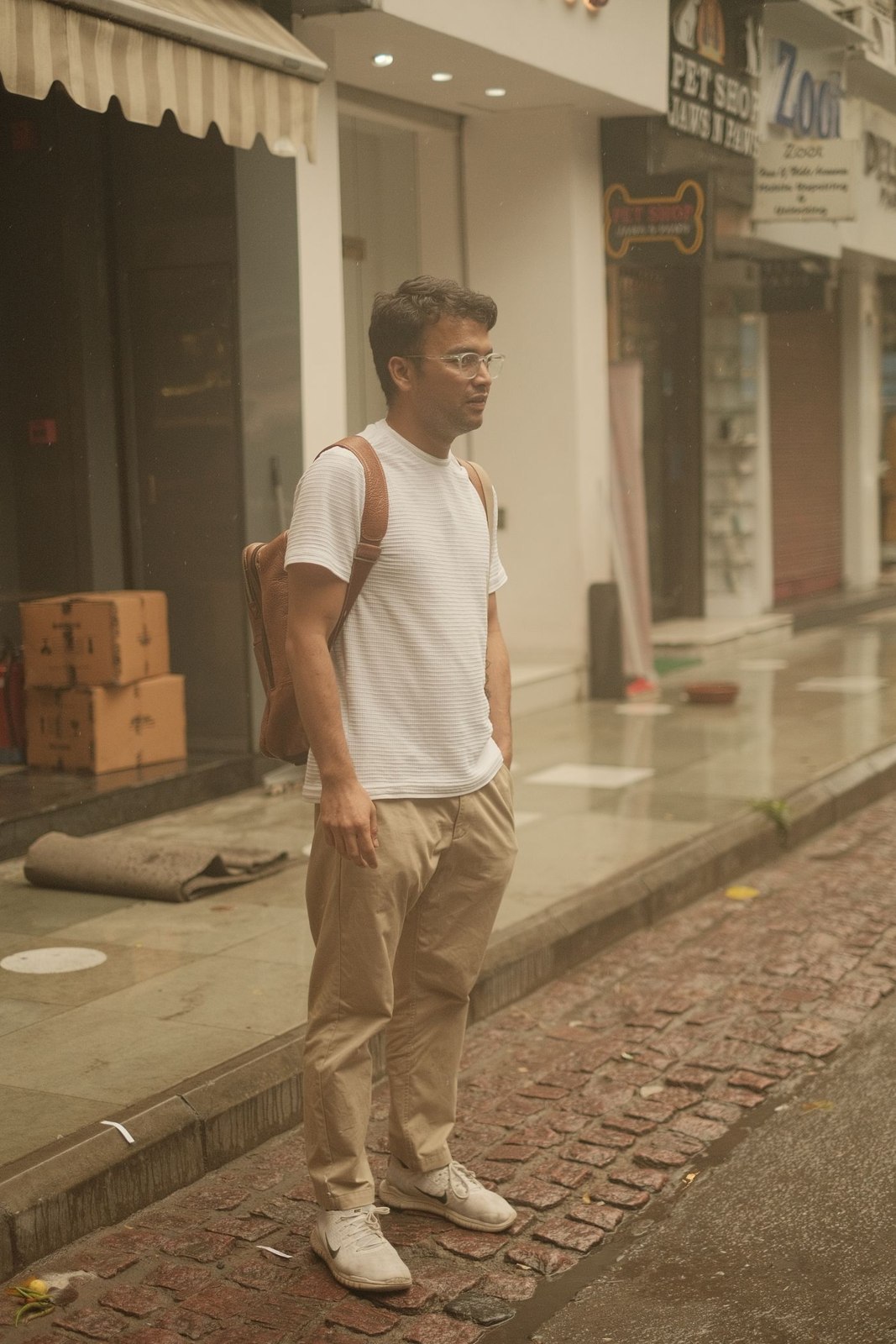
Keep the colour range connected without making every item identical. Navy trousers, an ecru T-shirt, a blue shirt and an olive jacket offer several combinations with one pair of brown shoes. This is an example, not a compulsory palette. Use colours already present in your wardrobe so the trip does not become a reason to buy an entirely new coordinated set.
Pack for access as well as capacity
Put the first change of clothes where it can be reached without unpacking everything. Keep clean garments separate from shoes and toiletries. If a shirt is needed soon after arrival, do not bury it beneath the heaviest items. A small bag that closes only after forceful compression is unlikely to remain easy to use throughout the weekend.
Account for underwear and socks separately from visible outfits. Rewearing a jacket is not the same decision as packing insufficient fresh basics. Leave a little space for items that will not fold as neatly on the return journey. You do not need to fill every available corner simply because the bag has room on the outward trip.
An example with one fixed evening plan
Suppose you arrive on Friday, walk between neighbourhoods on Saturday and have an informal dinner booking before returning on Sunday. Travel in dark trousers, a blue shirt and comfortable shoes, with a light jacket. A cream T-shirt changes the daytime combination; a second shirt gives a fresh dinner option. Add fresh basics and another weather layer only if the jacket does not cover the forecast. This is a framework to test, not a universal list.
If Saturday includes a stricter event, substitute the required piece rather than adding an entire speculative outfit. A required jacket needs space and protection; shoes unsuitable for walking may justify a second pair. Those additions correspond to something booked. Another jumper in a nearly identical weight may contribute less.
Without an evening requirement, the balance can shift towards another casual top. Compare garments with the schedule and count likely uses, but do not demand equal wear from everything. A rain layer may earn its place through one necessary use, while an attractive shirt without a planned partner may remain untouched. The bag should reflect that distinction.
Remove one unlikely option
Before closing the bag, identify the item whose purpose begins with 'just in case' and ask what would happen without it. Sometimes the answer justifies keeping it, particularly for weather. Often another garment already covers the same situation. The aim is not the smallest possible packing list, but a manageable bag and clothing that lets you follow the weekend without constant wardrobe decisions.