Underwear & leisure
Choosing lounge trousers by fit and fabric
Comfort at home still depends on the rise, waistband and how the cloth behaves when seated.
Use the sitting test first
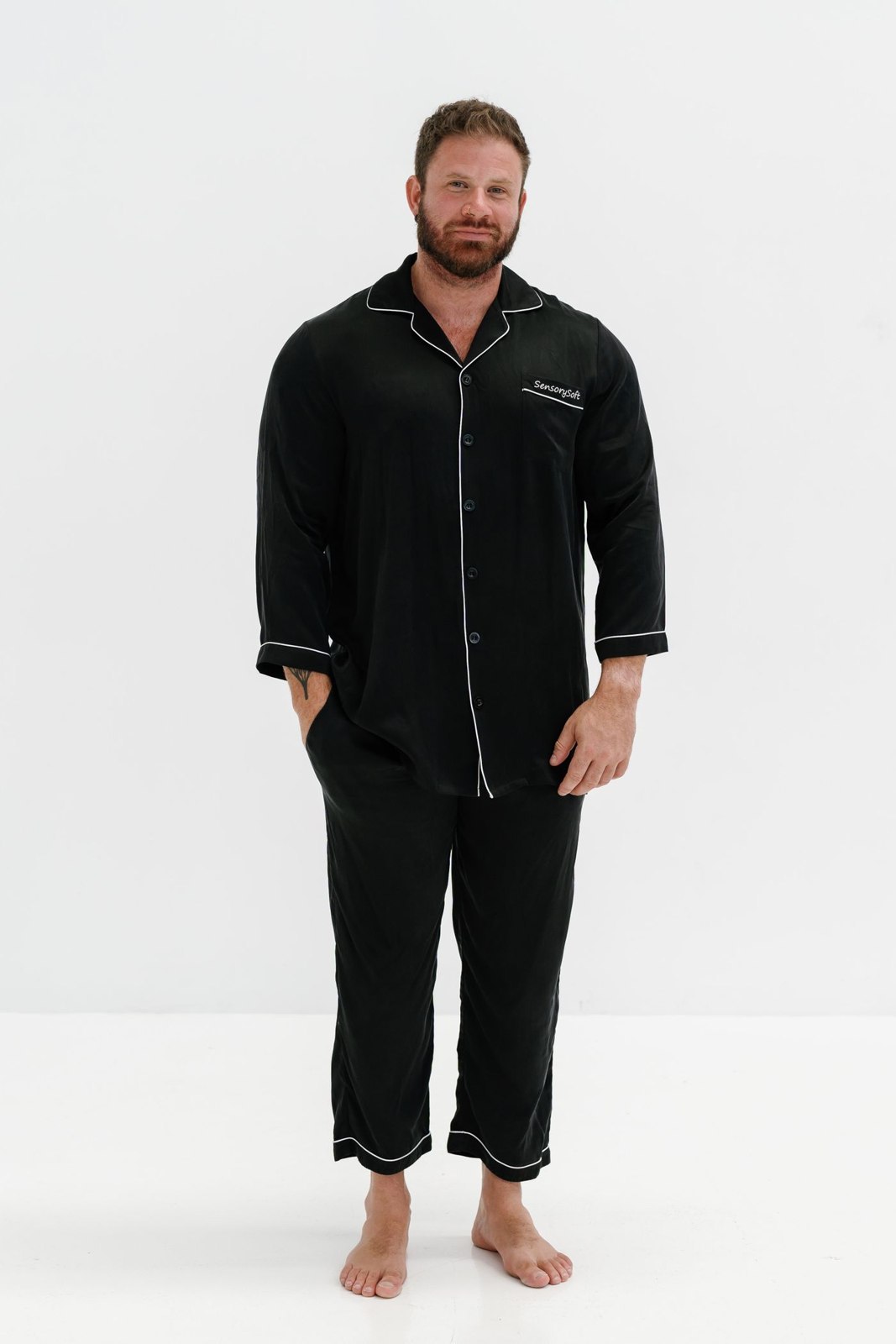
Lounge trousers spend much of their time bent at the hips and knees. A pair that looks relaxed while standing may pull across the seat on a sofa or chair. Sit in the way you normally sit at home, within what is reasonable during a fitting, and notice where the waistband lands. A soft fabric does not compensate for a rise that continually drags downward.
An elastic waist can accommodate movement, but it should not require a tightly knotted drawcord to stay in place. Check whether the cord is accessible and whether its ends become an annoyance under a top. If the waistband folds immediately, compare its width and construction with another pair rather than simply increasing the size.
Choose a surface you want against the skin
Jersey, brushed fabrics and woven cotton can all be used for lounge trousers, but they feel different. A smooth jersey may move easily with the body; a brushed surface has a different touch; a woven pair may keep a more defined shape. These are starting observations, not universal rankings. Handle the actual cloth and read the composition instead of choosing from a fabric name alone.
Consider the temperature of the rooms where you will wear them and whether they are mainly for sitting, cooking or moving between indoors and outdoors. A substantial fabric may be welcome in a cool room but excessive in a heated flat. Lighter does not automatically mean better either, especially if you dislike transparency or the outline of pockets showing through.
If you plan to sleep in the trousers as well, test the seams and fastenings with that use in mind. A bulky pocket or hard cord end may matter more than it does while standing. You do not need a claim that a fabric is suitable for everyone; you need a garment whose details are comfortable for your routine.
Decide what happens at the ankle
An elastic cuff keeps the hem close, which can be useful when moving around the house. A straight opening gives a different silhouette and may pair more easily with simple house shoes. Neither should drag under the heel. Check the length barefoot and with the footwear you use indoors, because those two views can reveal different problems.
A very narrow lower leg can catch when you sit, leaving the knee under tension. A wider one can collect more fabric than you want. Move before deciding. The familiar word relaxed on a label does not describe every part of the cut, and a loose thigh can still lead into a restrictive calf.
Keep the intended boundary clear
If the trousers need to handle a doorstep delivery or a short errand, try them with an ordinary top and shoes. A plain colour and tidy waistband may make that transition easier, but appearance is not the only consideration. You should feel appropriately covered when bending or sitting, including in stronger daylight than your living room provides.
Finally, read the care instructions and consider drying space. A comfortable garment that is difficult to fit into your normal laundry routine may spend more time waiting to be cleaned than being worn. Start with one pair, use it in the settings you intended and judge it after that experience before buying several versions.