Outfits
An outfit that moves from desk to dinner
Identify the difference between the two settings before deciding what needs to change.
One outfit cannot cover every pairing
A casual desk day followed by an informal meal is a different problem from a workshop shift followed by a restaurant with a dress code. Start by naming the actual requirements at both ends. If they conflict, carrying a change is more sensible than forcing one outfit to do everything. The phrase desk to dinner is useful only when the two settings genuinely overlap.
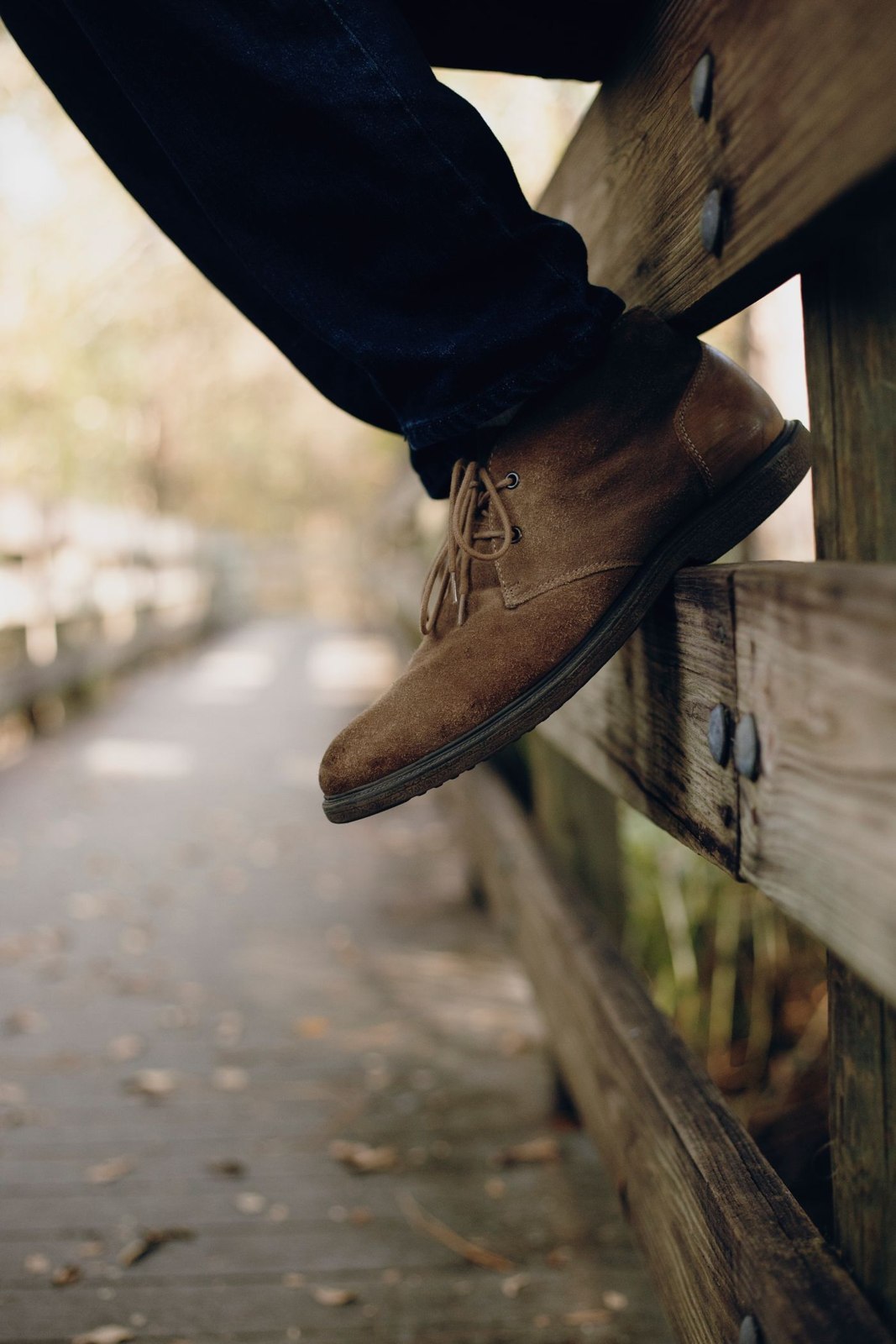
Where they do overlap, a plain shirt or fine knit with dark trousers can provide a shared base. Choose shoes that are suitable for work, the route and the evening venue. A pair that looks slightly smarter is not an improvement if it becomes uncomfortable long before dinner. Familiarity matters on a day when the same clothes will be worn for many hours.
Make one meaningful adjustment
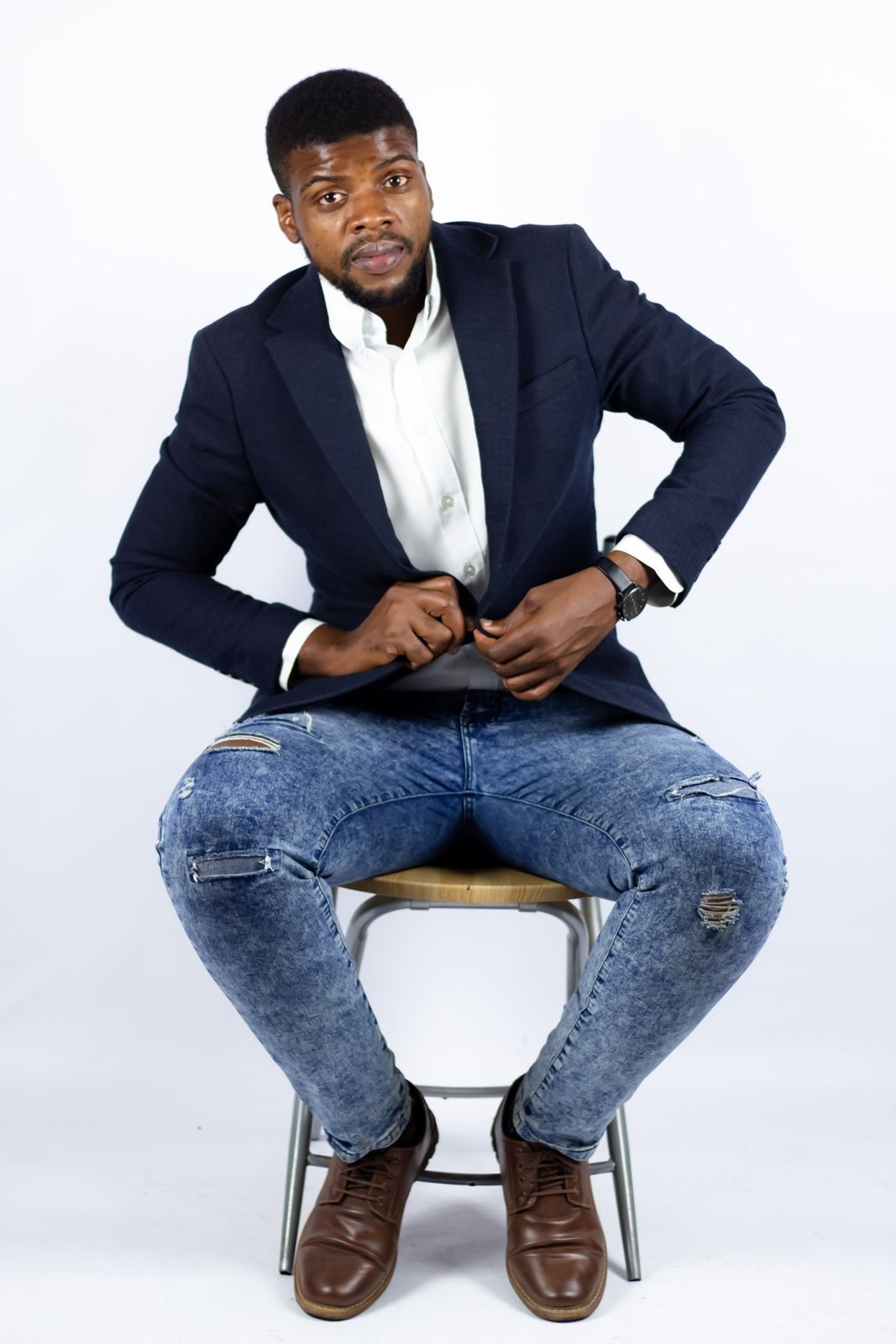
Adding a soft jacket can give a simple work outfit more structure. Changing from an overshirt to a blazer may make sense if you have somewhere to leave the first layer. A fresh shirt is another targeted change, especially after an active commute. Choose the adjustment that solves your particular day rather than automatically adding a tie or switching shoes.
The base should remain complete when the jacket comes off at the table. Check the shirt collar, sleeve length and waistband without the outer layer. If the outfit only looks coherent while covered, a small evening adjustment will not fix it. Use clothes that work together throughout the day, then let the extra layer alter the degree of formality.
Different schedules need different solutions
If you work at a casual desk and meet friends at an equally casual restaurant, little may need to change. Dark jeans, a plain knit and clean shoes can remain the same. Do not invent a transformation because the day contains two activities. Check the venue and use the saved time for an unhurried journey.
If the office is informal but dinner is more dressed, start with trousers that suit both. Wear a simple top during the day and carry the required shirt or jacket in a protected compartment. The change must be possible with the facilities you actually have. A plan requiring ironing in an office bathroom is not a convenient transition.
If work involves physical activity, dirt or a uniform, acknowledge the separation. A full change may be most straightforward. Pack evening clothes as a complete set and check them beforehand so nothing essential is missing. The bag then serves a clear purpose rather than holding random upgrades.
Finally, account for the return journey. Shoes comfortable at the desk and table may be unsuitable for a long late walk. Include the coat needed after dinner from the start. That makes the outfit a plan for the entire day rather than a styling exercise focused only on entering the restaurant.
Allow time for an ordinary reset
Before leaving work, remove unnecessary items from pockets, check for marks and smooth the clothes after sitting. Keep any fresh garment protected in your bag rather than compressed beside lunch containers or shoes. A few quiet minutes are usually more useful than a collection of accessories intended to transform the outfit instantly.
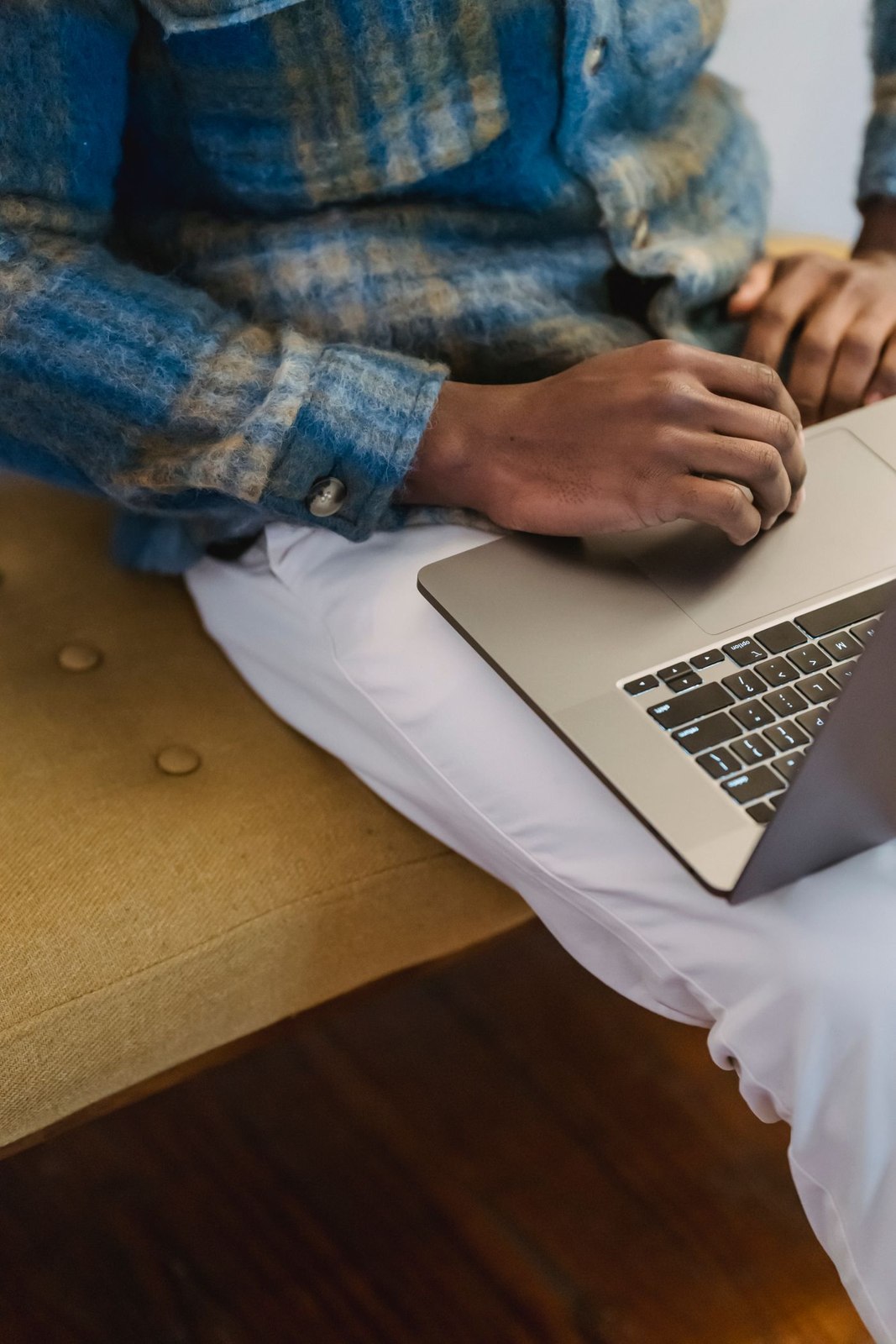
Plan what happens to your work bag and coat at dinner. Carrying a laptop does not ruin an outfit, but a bag overflowing with loose items can make the transition awkward. If the evening is especially formal or the workday especially physical, accept that a proper change is the clearer solution. Versatility means matching real circumstances, not proving that every garment can serve two unrelated purposes.