Fit & fabrics
Alterations worth discussing with a tailor
Bring a clear problem, the intended shoes and layers, and realistic expectations about construction.
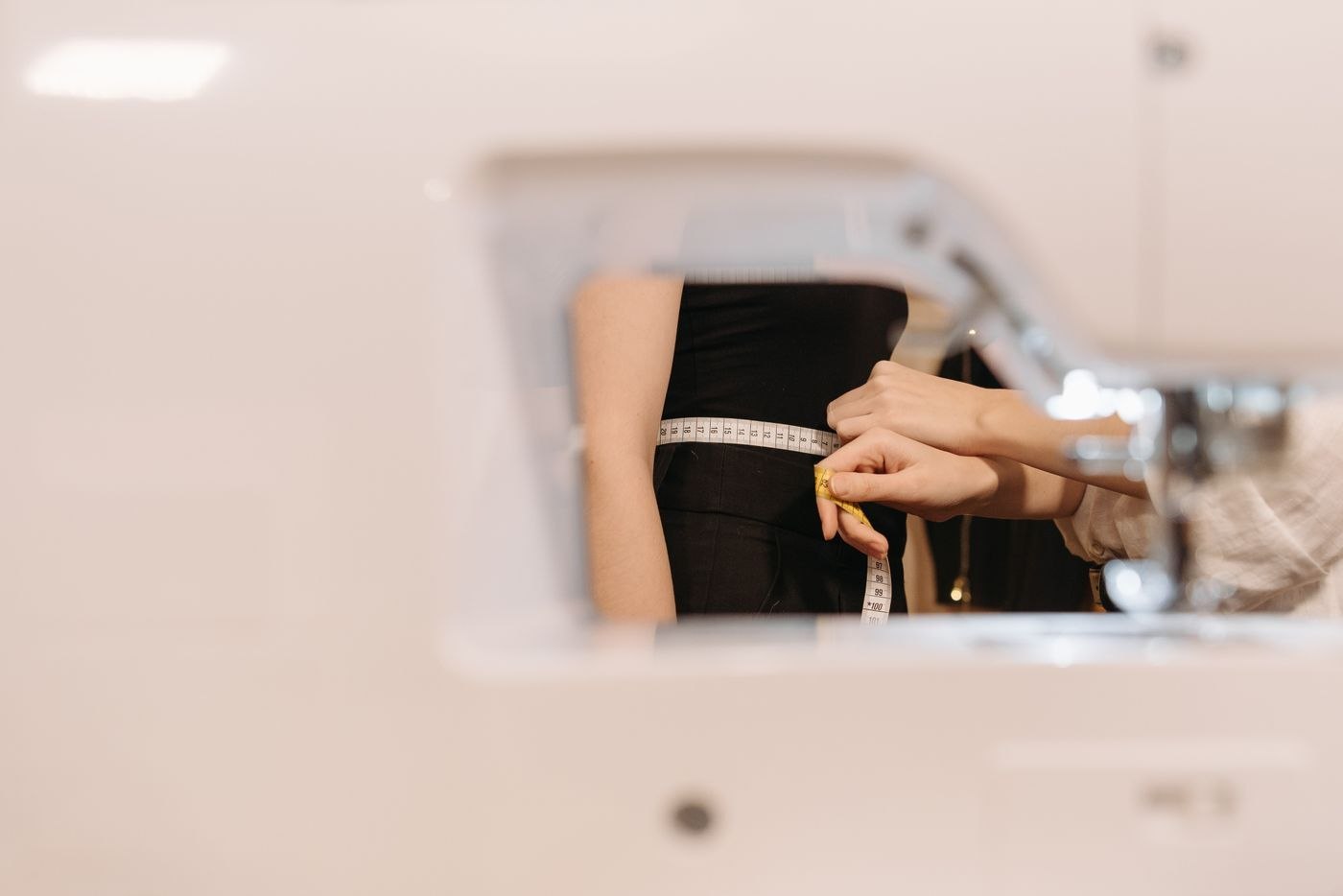
Describe the result, not only the operation
Instead of asking to take everything in, explain what bothers you. The trouser hem catches under the heel, a shirt forms too much fabric at the waist, or a jacket sleeve covers the hand. A clear description lets the tailor assess whether the proposed alteration addresses the cause or merely hides one symptom.
Wear the shoes and layers that belong with the garment. Trouser length judged over an unfamiliar sole can produce an unexpected result later. A jacket fitted over a thin T-shirt may feel different over the shirt and knit you actually use. Empty pockets for the fitting, then explain what you normally carry if it affects the outline.
Start with relatively contained changes
Hems, some sleeve lengths and modest waist adjustments can be straightforward in suitable garments, but there is no universal menu of easy jobs. A trouser hem needs enough allowance for the requested result. A sleeve with working buttonholes or special trim may be more complicated than it appears. Ask about the specific construction rather than relying on the garment category.
Discuss how much change is possible and what it will do to proportions. Taking a trouser waist in substantially can alter pocket placement and seat shape. Narrowing a leg dramatically may change the line from thigh to hem. A garment can become smaller without becoming better balanced.
Have the proposed adjustment pinned or basted where appropriate and move normally during the fitting. Sit in trousers, reach forward in a jacket and bend the elbows. A still mirror view cannot confirm every comfort issue. Explain if the new shape feels restrictive rather than assuming the tailor wants you to remain perfectly motionless.
Recognise the construction-heavy jobs
Shoulder changes, armhole changes and major jacket length adjustments can involve much more work and may not be feasible. Existing seams, pockets, lining and available cloth limit the options. Buying a poorly fitting jacket because it is discounted can become an expensive project if the difficult areas are wrong.
Ask whether the garment is a good candidate before committing to purchase or alteration. A tailor may recommend a different size or cut rather than promise a transformation. That is useful information. Do not compare only the alteration price with the original retail price; compare the likely finished garment with other ways of obtaining the fit you need.
Agree on details and check the result
Confirm the intended length, visible finish and whether original details will be preserved. Ask about timing and any irreversible step. If future adjustment matters, discuss whether useful seam allowance can remain rather than being trimmed away automatically.
At collection, try the garment with the same shoes and layers. Check movement, symmetry and the areas that were changed. Raise a concern while the result can still be assessed together. Keep a note of what was altered if you later buy the same model, but remember that another fabric or production version may not respond identically. The goal is a clear, wearable improvement, not a sequence of alterations that tries to turn one garment into an entirely different design.
For clothing with emotional value, separate the wish to keep it from the practical aim of wearing it. A careful repair may preserve an old jacket even when a complete fit transformation is unrealistic. Explain which original features matter to you and which changes you would accept. This gives the tailor a clearer brief than asking for an older garment to look exactly like a current photograph with a fundamentally different cut.