Outfits
A wedding guest outfit when suits are optional
Optional tailoring still calls for attention to the hosts, the setting and the full day's events.
Read the invitation literally
If suits are optional, you have flexibility, not a requirement to avoid them. Wearing a suit you own and enjoy may be the simplest choice. If you prefer separates, confirm whether the invitation contains other guidance about formality, colour or footwear. A casual description of the reception does not necessarily explain what is expected during a ceremony held elsewhere.
Ask a specific question when something is unclear: whether a jacket is expected for the ceremony, for example, is easier to answer than asking what you should wear. Respect a clearly stated request even if it differs from your usual taste. The wedding belongs to the hosts; your outfit should fit the occasion without demanding that they solve every detail for you.
Separate pieces need a relationship
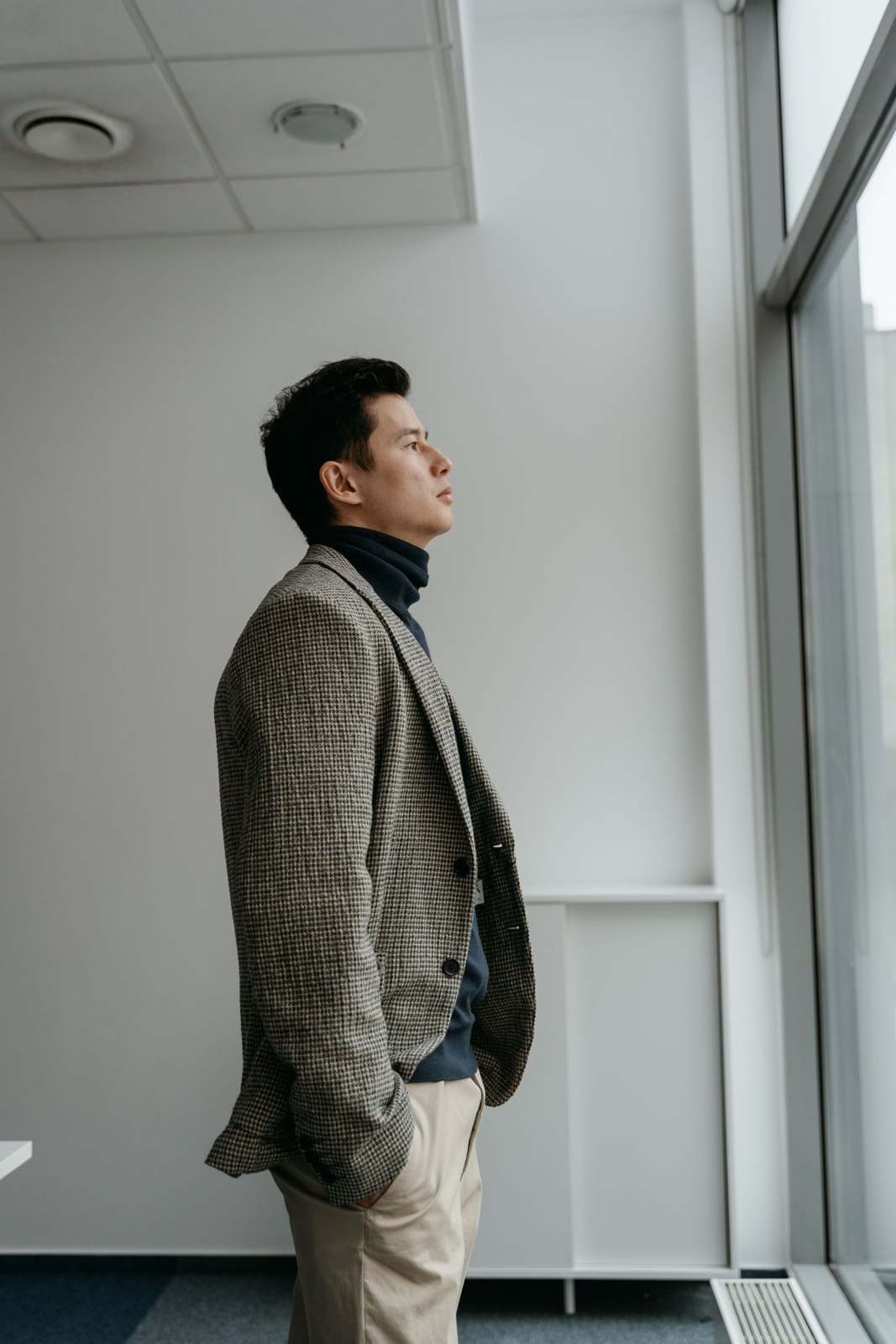
A soft navy blazer with grey or stone trousers is a straightforward route. The fabrics should look deliberately different rather than like two halves of an unsuccessful suit. A smooth business jacket over very casual cargo trousers can be an interesting contrast in another setting, but it may not be the clearest choice when you are trying to interpret an unfamiliar wedding brief.
A shirt gives the outfit a defined centre. Choose a collar that sits comfortably with or without a tie, according to the invitation and your preference. If you add a tie, let its texture connect with the jacket. A knitted or textured tie can work with informal tailoring, but it does not automatically make every jacket-and-trouser combination suitable for every ceremony.
Think through the venue
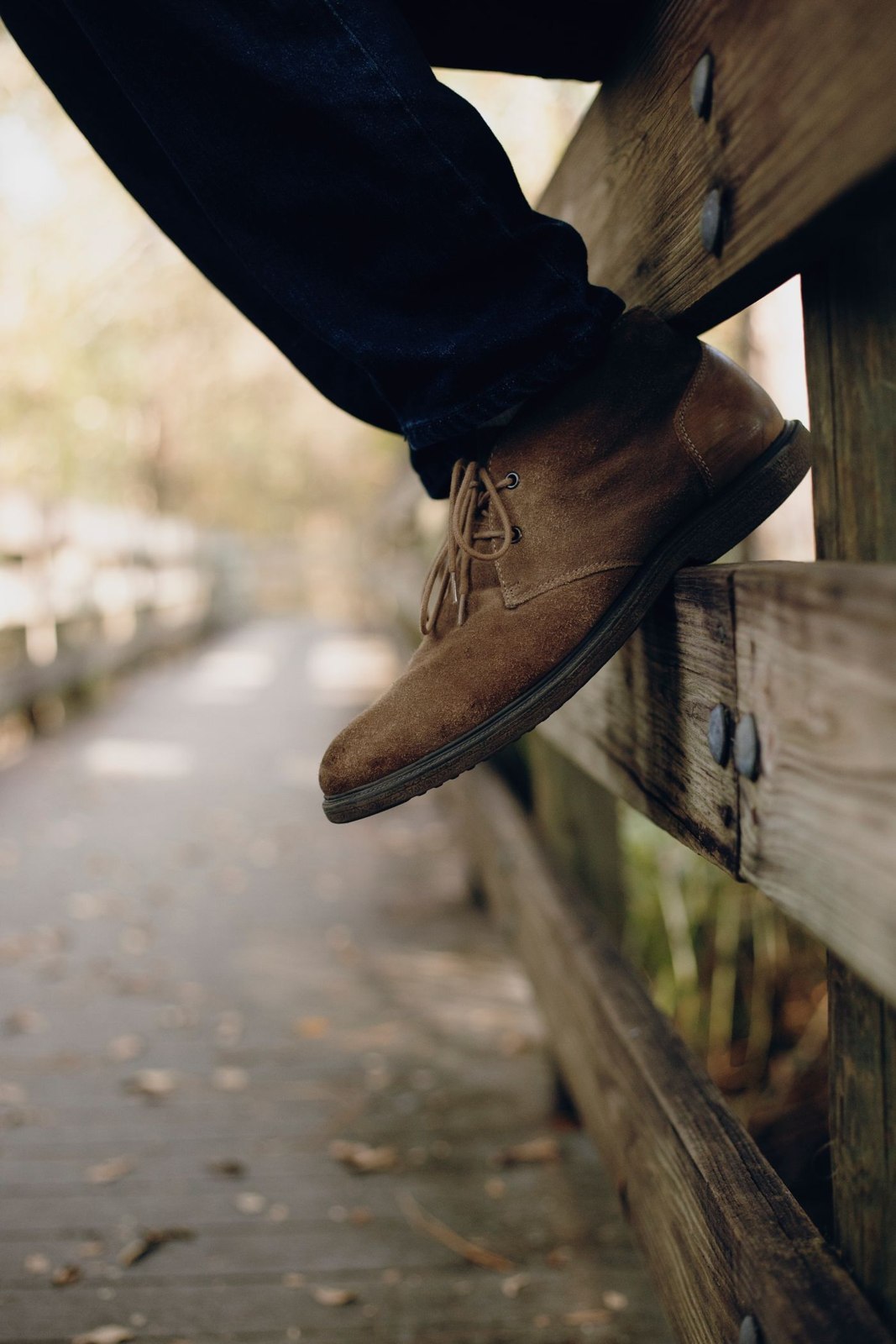
A garden, a city hall and a restaurant create different demands on footwear. Consider the surfaces you will cross and the amount of standing involved. Comfortable shoes in good condition matter more than a newly purchased pair that looks right only in a photograph. Do not assume that trainers are acceptable simply because suits are optional; check the rest of the guidance.
Temperature matters throughout the day, not just at arrival. A jacket that feels pleasant outside may be warm in a crowded room. The shirt and trousers should look complete when the jacket comes off, if removing it is appropriate. Keep an outer layer available for travel home rather than relying on the event ending before the evening becomes cool.
Two combinations to test at home
For a daytime ceremony followed by a restaurant, try a navy soft blazer, medium-grey trousers and a pale blue shirt. Dark brown shoes connect the pieces without a strong contrast. An open collar may suit a relaxed invitation; a tie adds another option if its scale suits the shirt. The exact colours matter less than trousers that clearly differ from the jacket and shoes that work at the venue.
For an outdoor celebration, a lighter jacket with darker trousers may be easier to build from existing clothes. Check its fabric and lining rather than judging suitability from colour. The shirt must still work when the jacket is removed. Let the hosts' guidance determine what is acceptable in both examples.
If your only jacket belongs to a suit, try the complete suit before separating it. Some suit jackets look natural with other trousers; others retain a formal finish that makes the missing matching half obvious. Wearing the full suit you own can be simpler than buying several pieces to avoid it.
Keep accessories proportionate
You do not need a pocket square, tie bar, lapel pin and conspicuous belt at once. Select the details you actually like and let the clothing remain the main structure. A pocket square can add a little contrast without matching the tie exactly. If there is no tie, that does not create an empty space that must be filled with another accessory.
Check the outfit several days ahead with the shoes and socks included. Sit, reach and walk in it, and make sure any necessary alteration can be completed in time. Clean or press garments according to their care instructions rather than experimenting immediately before departure. The goal is to arrive appropriately dressed and able to take part in the day, not to keep protecting or adjusting an unfamiliar outfit.