Seasons & weather
A rain-ready commute without outdoor-kit overload
Choose weather protection around the route, then keep the visible outfit as simple as the conditions allow.
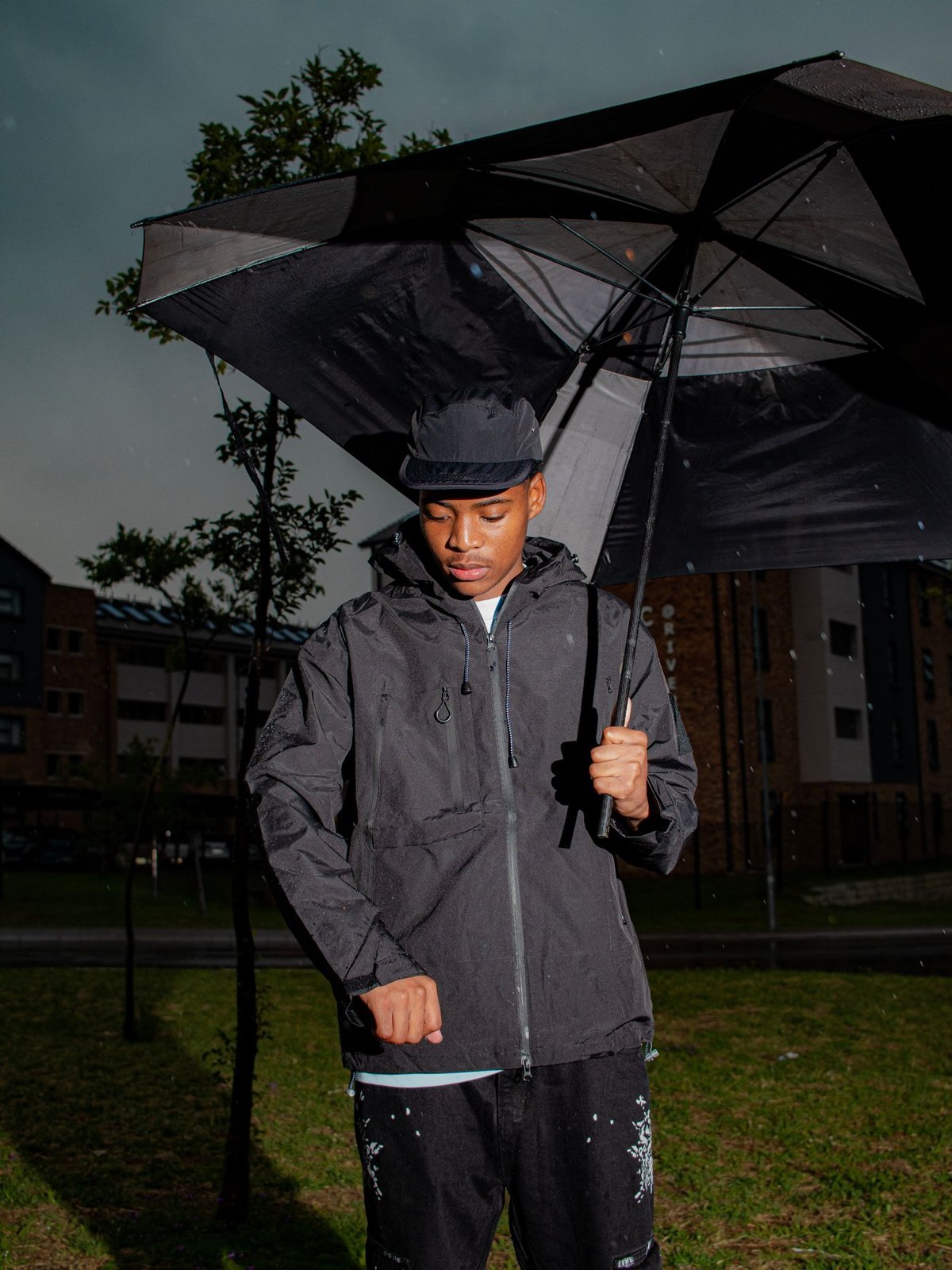
Map the exposed parts of the journey
Five minutes from a station to an office is different from a long walk with no shelter. Consider the route, expected rain and what you carry before choosing a coat. A smooth-looking city jacket is not necessarily rain protection, while a visibly technical garment may be entirely sensible for a demanding journey. Function comes before the wish to make every item look like ordinary tailoring.
Read the manufacturer's description of the actual garment rather than inferring performance from appearance. A claim of water resistance should not be silently treated as a promise that the coat will handle any downpour. If you need particular protection, check what is specified. Style advice cannot establish how a garment will perform when the necessary information is absent.
Make room for the work clothes
Try the rain layer over the shirt, knit or jacket you wear to work. Shoulders and sleeves need enough space to move without compressing everything underneath. If you carry a backpack, test the straps too. A coat that looks clean while standing can feel very different when a loaded bag pulls across its shoulders and front.
Length is a practical choice. A longer coat covers more of the trousers, but it must still allow your normal stride and any movement the commute requires. Check pockets and closures while wearing the bag. You should be able to reach essentials without opening the entire coat or balancing loose items in the rain.
Keep the underlying outfit coherent
Plain dark trousers and a simple top often work well beneath a protective outer layer, but there is no need to dress entirely in black. Choose clothes that look complete after the coat comes off. If you need a blazer indoors, account for it during fitting rather than expecting it to survive being folded tightly under an undersized rain jacket.
Avoid adding technical-looking accessories solely to match the coat. The weather layer can be functional while the shirt, trousers and bag remain ordinary work clothes. Equally, do not reject a useful item because it looks different from the rest. The objective is fewer unnecessary decisions, not a disguise that makes rain protection invisible at the expense of comfort.
Protect what you carry
A bag needs its own assessment. Do not assume that a leather finish or covered-looking zip keeps every compartment dry. Check the bag's stated properties and use appropriate protection for items that must not get wet. Keep work documents and a change of clothing separate from a wet umbrella. The clothes you intend to change into should not share an unprotected pocket with the source of the moisture.
Footwear should suit the route and your workplace. If wet shoes are a recurring problem, consider a planned change at the destination rather than wearing uncomfortable shoes all day to satisfy one part of the trip. Follow the maker's drying and care guidance afterwards. A second dry pair can be useful, but only if you have a place to store and change them.
Plan the arrival
Know where the wet coat and umbrella can go when you arrive. Folding a soaked outer layer into a bag beside clean clothes defeats the planning. Allow a moment to remove the rain gear and check the outfit underneath before starting work. A successful rain-ready commute is not just a good-looking departure: it ends with clothing and belongings you can continue using at the destination.