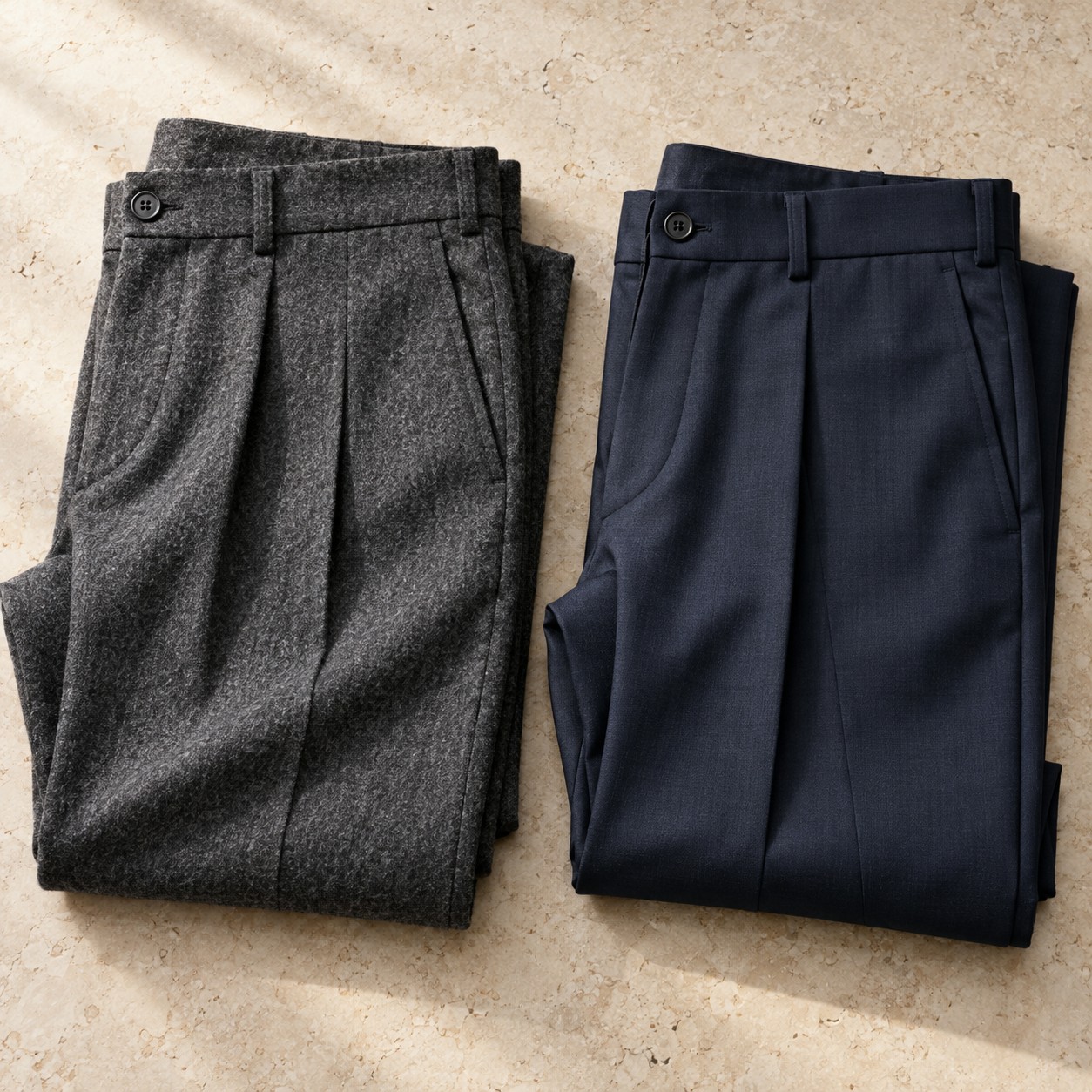
Fit & fabrics
A closer look at garment lining
Turn the garment inside out and assess the layer you will actually feel.
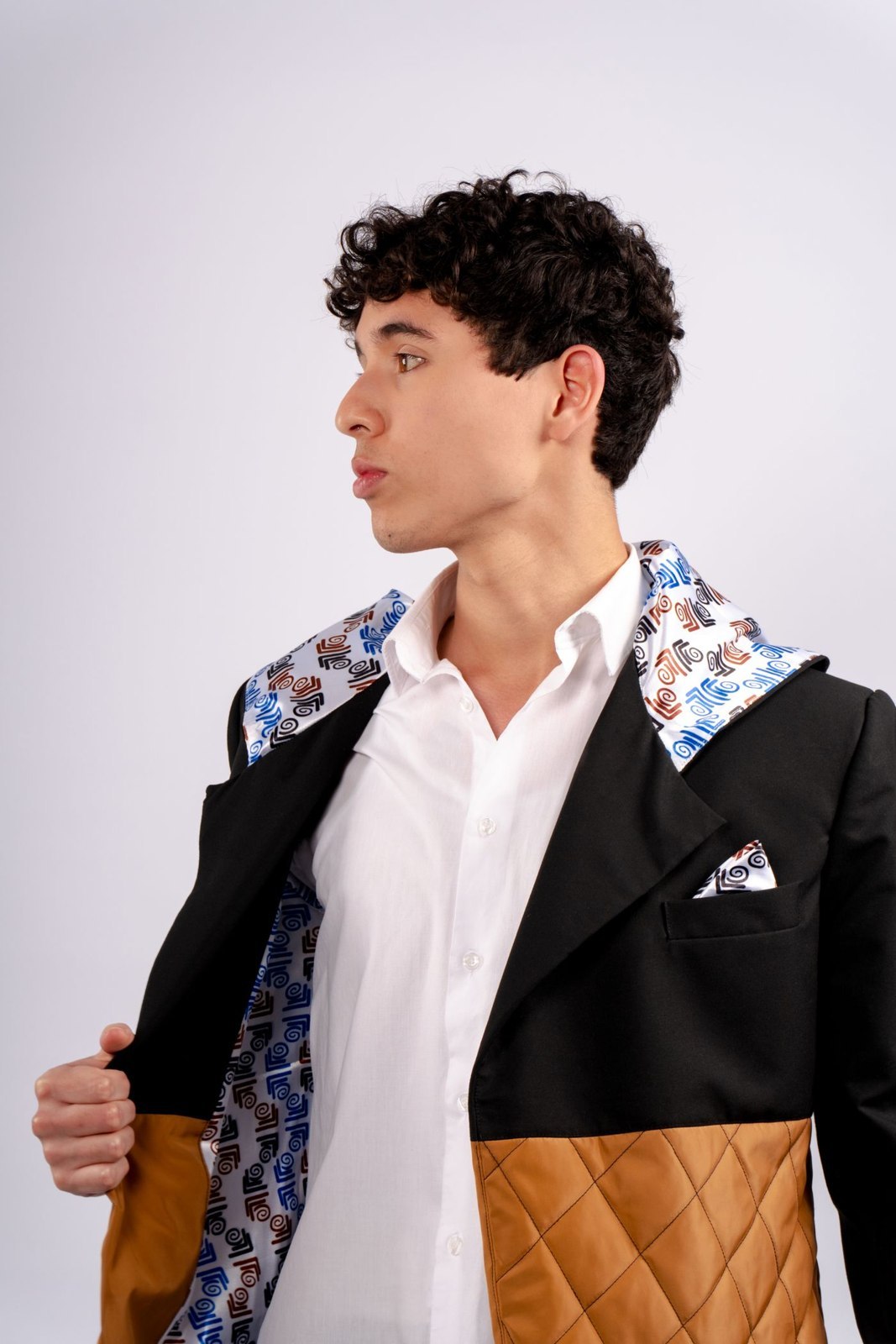
The outside does not tell the whole story
A jacket can look soft and relaxed outside while its lining feels tight across the back. Trousers may have a partial lining that changes the feel around the thighs but not the lower leg. Before buying, inspect the inside rather than treating lining as an invisible extra.
Check where it begins and ends. Full, partial and unlined constructions serve different designs, and none is automatically the superior choice. Look at how the lining is attached around armholes, vents and pockets. Loose threads, twisted sections or a lining caught in a seam are immediate usability issues worth raising with the retailer.
Test movement through both layers
Put the garment on over the clothes you intend to wear beneath it. Reach forward, sit and bend the elbows. If the outer fabric moves but the lining restrains you, extra stretch in the shell does not solve the problem. Notice whether sleeves slide over a shirt easily or drag it upwards.
For trousers, check the point where a partial lining ends. It should not create an uncomfortable band or visible ridge during ordinary movement. Stand after sitting and see whether the layers settle together. A lining that repeatedly twists may need assessment rather than constant adjustment by the wearer.
Inspect the places that are easily overlooked
Open the jacket and check the lining around the back vent. It should allow the outer layers to open as designed, rather than pulling the vent closed or hanging below the hem. Look inside the sleeves for a twisted lining and run a hand into each pocket to confirm that the pocket bag is usable. These checks do not measure overall craftsmanship, but they catch faults that affect the first day of wear.
On trousers, sit down before deciding that a partial lining ends at a comfortable point. The edge may feel different against a bent knee. A lining that extends further can also move differently from the shell, so inspect both rather than assuming more coverage is always better.
Consider repair access when buying second-hand. A small open lining seam may be a manageable repair; widespread tearing, brittle cloth or damage near several attachment points deserves a more careful estimate. Ask the repairer to assess the inside as well as the outside. Replacing a lining is a different task from closing one short seam, even when both faults are nearly invisible in a sales photograph.
Read materials without making a ranking
The composition label may list shell and lining separately. Read both, but do not assume one fibre name guarantees breathability, durability or comfort in every construction. Thickness, weave, fit and the rest of the outfit also matter. A short try-on cannot prove long-term performance, yet it can reveal immediate irritation or restriction.
Follow the care instructions for the complete garment, not whichever layer seems easiest to clean. If considering alterations, mention the lining to the tailor because it may need corresponding changes. Before paying, inspect the garment once more inside out. That minute can reveal a pocket bag or lining problem that an attractive front view would never show, and it helps you choose the complete item rather than only its photographed surface.