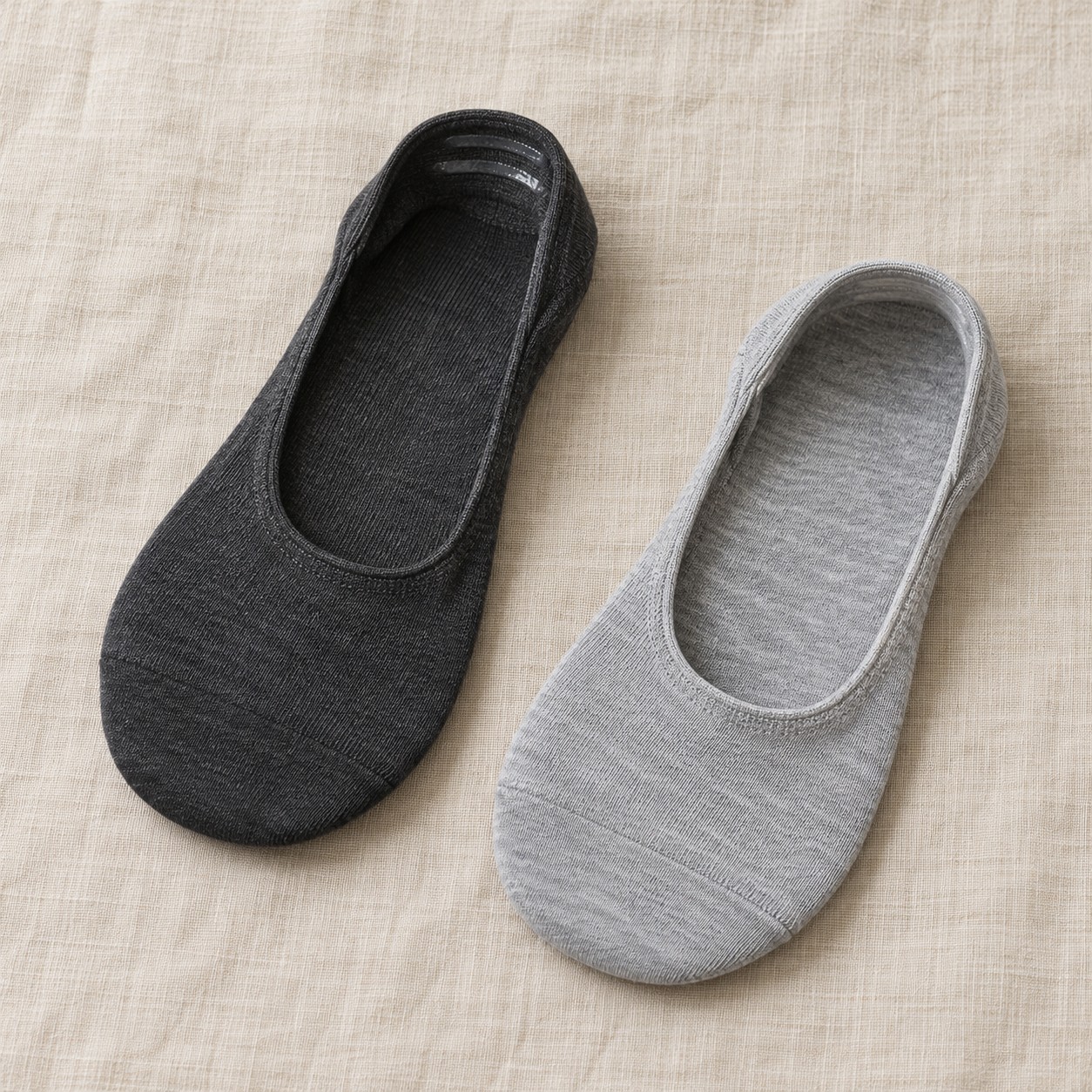
Underwear & leisure
A change of clothes after an active commute
Plan the change at the destination as carefully as the outfit used for walking or cycling.
Map the arrival, not just the journey
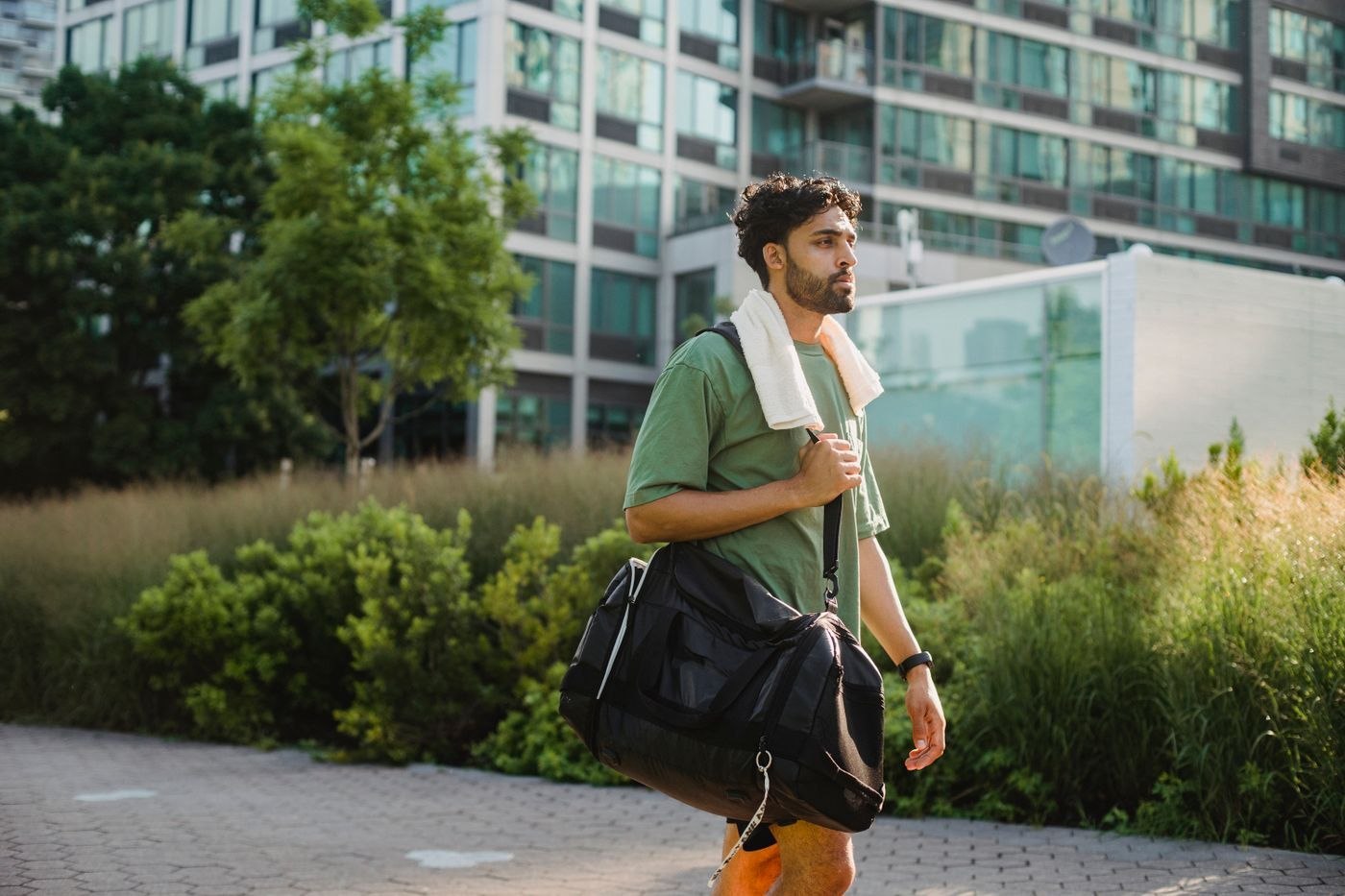
An active commute can involve a brisk walk, cycling or a combination of transport and movement. The clothing plan depends on what happens when you arrive. Is there a changing room, a private space, a place to hang garments or only a desk? Find out before packing a full change. The most elegant plan is unhelpful if it assumes facilities that are not available.
Decide which parts of the outfit actually need changing. You may prefer a complete separate work outfit, or you may only need a clean top and different shoes. Treat this as a personal routine rather than a universal rule. Weather, journey length, effort and the expectations of the destination all affect the answer.
Keep the clean set physically separate
Pack the clothes for arrival where they will not be pressed against damp or dirty items from the journey. A separate compartment or suitable pouch can help. Avoid squeezing a freshly prepared shirt directly against shoes. If the bag has only one large space, a simple internal organisation can be more useful than replacing the whole bag.
Choose an arrival outfit that tolerates the journey in the bag. A soft knit or less easily disrupted shirt may be simpler than a very crisp garment that needs careful arrangement. This is not a promise that a particular fibre never creases. Test the actual item on an ordinary day and see how it looks after unpacking.
If you can leave shoes or a jacket at the destination, check where they can be stored and whether that arrangement is permitted. Keeping a spare there can reduce daily bulk, but only if it remains accessible and in usable condition. A forgotten pair under a desk is not automatically a reliable part of the routine.
Give the used clothes a return plan
After changing, the journey clothes need a place to go. Follow their care instructions and allow appropriate airing or drying where facilities permit. A sealed pouch can separate items during transport, but it should not become a place where damp clothing is left indefinitely. Empty the bag at home rather than repacking around yesterday's contents.
Consider the return journey too. You may put the original clothes back on, carry them home or use a different layer as the weather changes. A plan that only works on the morning journey can leave you carrying an unnecessary second outfit all day. Keep the choices proportionate to the actual commute.
Reduce the number of daily decisions
A small repeatable set can make the routine easier: a familiar bag, a known place for the clean top and a place for used clothes afterwards. That does not require identical outfits every day. It simply means the logistics remain predictable while the visible clothing can vary.
Prepare the evening before when useful, but check the next day's schedule and weather rather than blindly repeating yesterday's pack. A meeting, a dinner after work or a different route may change what needs to come along. The aim is not to look as though no journey occurred; it is to arrive with clothing that is comfortable and appropriate for what comes next.
After a week, remove items that never served a purpose and add only what was genuinely missing. If the bag is consistently too full, reconsider which pieces can remain at the destination or whether the arrival outfit is unnecessarily complicated. Solve the routine before buying more specialised clothing to carry through it.